Article Summary
Staying socially connected as we get older supports wellbeing, independence, and quality of life. Simple everyday activities, community connections, and companionship support can help people stay engaged in ways that suit their preferences.
As people get older, everyday routines and social opportunities can change. Some people may spend more time at home or have fewer opportunities to socialise as they once did. Staying socially connected can support wellbeing and help people remain engaged with daily life and the local community.
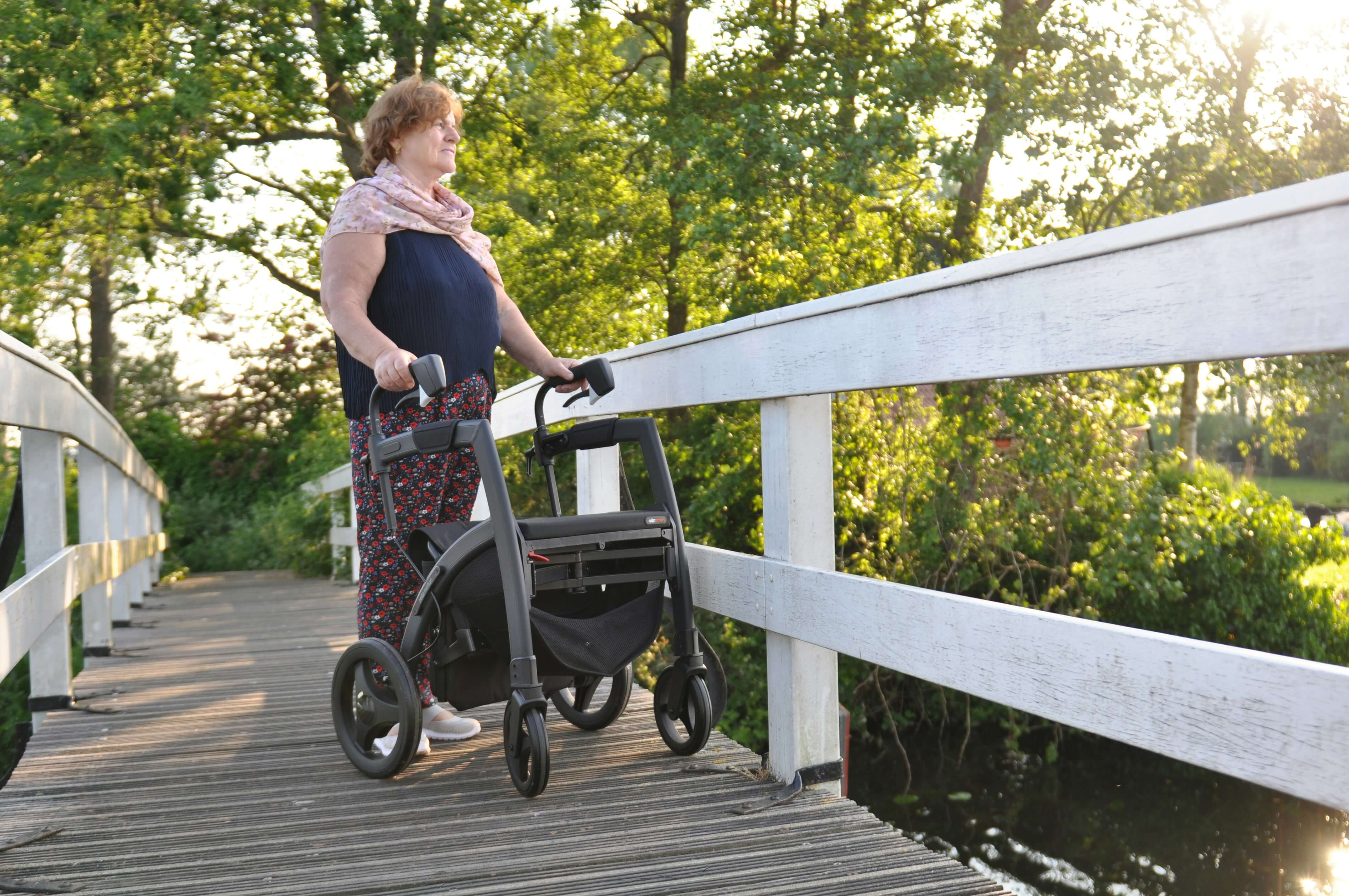
Social connection looks different for everyone. For some, it may mean spending time with others at home. For others, it might include joining community activities, going out for coffee, or attending appointments.
Everyday Social Support
Social interaction doesn’t need to be complicated. Many people enjoy simple, familiar activities such as conversation, shared outings, or having someone alongside them while completing everyday tasks.
Support to stay socially connected may include:
- Spending time with a familiar person
- Going out for a short walk or coffee
- Attending a regular community activity
- Visiting local places such as libraries or community centres
These activities can become part of a regular routine and support ongoing participation in day-to-day life.
Community and Local Activities
Many local councils and community organisations offer activities for older people, including hobby groups, social clubs, and organised outings. These options can provide a structured and welcoming way to meet others and stay involved.
Choosing activities that match personal interests can make social connections feel more comfortable and enjoyable.
Using Technology to Stay in Touch
Technology can help people keep in contact with family and friends—especially when distance or transport is a factor. With the right support, video calls, emails, and messaging can be used from home.
Libraries and community centres often offer basic technology help and group sessions for people who would like support learning how to use devices.
Companionship Support at Home and in the Community
Some people choose companionship support to help them stay socially active. Companionship focuses on company, conversation, and support to get out and about.
At Just Better Care Northern Beaches & Northern Suburbs, companionship support is tailored to individual preferences and routines. This may include:
- Company and conversation at home
- Accompaniment to appointments or social outings
- Transport to community activities or personal visits
- Support with hobbies and interests
- Help using phones or tablets for communication
Transport support can also assist with attending outings, appointments, and everyday activities when driving or public transport isn’t suitable.
Support That Fits Your Routine
Companionship support is flexible and can be arranged to suit individual schedules and preferences. It’s designed to support choice, independence, and participation in everyday activities.
If you’d like to learn more about companionship or transport support in the Northern Beaches and Northern Suburbs, the team at Just Better Care can provide information and talk through suitable options.
Need support to stay connected?
Our local team can talk with you about companionship and transport support options across the Northern Beaches and Northern Suburbs.
Call: (02) 9934 9999
Email: mail@justbettercare.com


.png?lang=en-AU&ext=.png)


.jpg?lang=en-AU&ext=.jpg)
.jpg?width=3024&height=4032&ext=.jpg)