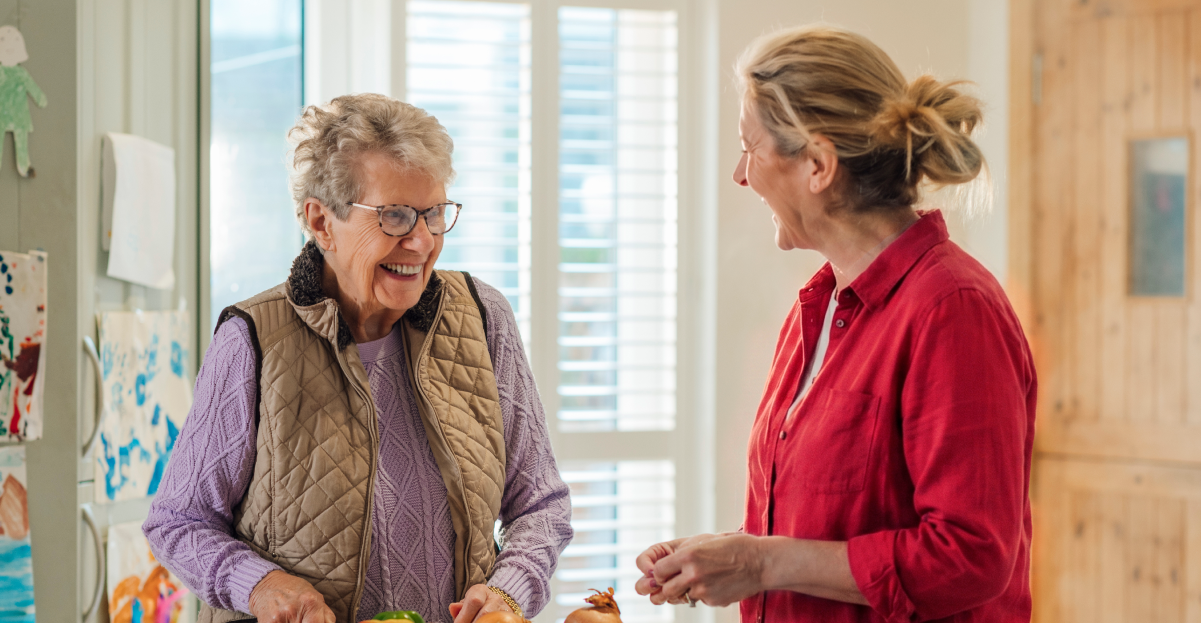
Younger onset dementia (under 65) can affect memory, behaviour and daily routines during an active stage of life. Early diagnosis, personalised in-home support, and access to services like NDIS can help people maintain independence, dignity and quality of life at home.
Younger onset dementia can bring major changes at a stage of life when many people are still working, caring for family, managing a household or planning for the future. When dementia is diagnosed before the age of 65, the questions can feel immediate and deeply personal. What support is available? Can life at home continue? Where do you start?
While every person’s experience is different, early information and the right support can make a real difference. With practical planning, tailored in-home care and connection to trusted services, many people living with younger onset dementia can continue to live with choice, independence and dignity in the place they know best.

Quick overview: This article explains what younger onset dementia means, common signs to watch for, support options for people under 65, and how families can plan ahead with greater confidence.
What is younger onset dementia?
Younger onset dementia is the term used when dementia is diagnosed in a person under 65. You may also hear it described as early onset dementia. Although the condition shares similarities with dementia diagnosed later in life, the impact can be very different because it often affects people in the middle of active working, family and community life.
For some people, the first changes may affect memory or communication. For others, it may show up through personality changes, confusion with familiar tasks, reduced concentration or difficulty managing work and daily routines. Because these changes can look like stress, burnout or other health concerns, diagnosis can sometimes take time.
Explore dementia home care support to see how personalised services can help people remain safe, comfortable and supported at home.
Common signs families may notice
The early signs of younger onset dementia are not always obvious. In many cases, the changes are gradual and may first be noticed by a partner, colleague, adult child or close friend.
- Forgetting appointments, conversations or recently learned information
- Struggling to complete familiar work or household tasks
- Difficulty finding words or following discussions
- Changes in judgement, decision-making or organisation
- Withdrawal from social situations or usual interests
- Noticeable changes in mood, behaviour or confidence
If these changes are becoming more frequent or affecting everyday life, it is important to seek medical advice. An early assessment can help clarify what is happening and make it easier to access the right support.
Why a diagnosis before 65 can feel different
A diagnosis at a younger age often comes with added pressures. Someone may still be working, supporting children, repaying a mortgage or caring for other family members. This can make the emotional and practical impact feel especially significant.
There may also be questions about income, driving, long-term planning, routines at home and how to balance independence with safety. This is why flexible, person-centred support is so important.

Related support: Learn more about aged care services delivered at home and how tailored support can help maintain routine, wellbeing and independence.
What support at home can look like
Living at home with younger onset dementia is often both possible and preferred when the right supports are in place. Home can offer familiarity, comfort and continuity, which can be especially valuable when someone is adjusting to change.
Support may include practical help with day-to-day activities as well as social and emotional support that strengthens confidence and connection.
- Assistance with personal care such as showering, dressing and grooming
- Help with meals, cleaning and household tasks
- Transport to appointments, outings and community activities
- Companionship and meaningful social connection
- Respite that gives carers and family members time to recharge
- Flexible support that adapts as needs change over time
For people who are eligible for aged care supports later in life, the evolving Support at Home approach aims to help older Australians stay independent for longer. For people under 65, disability-related pathways may also be relevant depending on personal circumstances and eligibility.
If you are unsure where to begin, visit Getting Started for practical guidance from Just Better Care on taking the next step.
NDIS and younger onset dementia
If a person has been diagnosed with dementia and is younger than 65, they may be able to access support through the National Disability Insurance Scheme (NDIS). This can be an important source of funding and practical assistance for people whose diagnoses are affecting their daily lives and independence.
The NDIS may provide supports that build capacity, strengthen participation, and assist with living well at home and in the community.
Dementia Australia explains more about NDIS support for people living with dementia.
Programs and trusted information for families
Reliable information can make a difficult situation feel more manageable. It can also help people and families make decisions earlier, ask better questions and feel less alone after diagnosis.
Dementia Australia offers a range of services, including the Living with Younger Onset Dementia Program, which supports people living with younger-onset dementia, as well as their families and carers.
Helpful program: Learn more about the Living with Younger Onset Dementia Program.
Planning early can make a meaningful difference
Planning ahead does not mean giving up independence. In many cases, it does the opposite. It can help a person stay involved in decisions, express preferences clearly and create a stronger sense of control during a time of uncertainty.
Planning may include:
- Talking about current and future support needs
- Reviewing daily routines and areas where help may be useful
- Considering legal, financial and personal arrangements
- Building a care approach that reflects the person’s goals and choices
These conversations are often easier when they happen early and in a supportive, respectful way.
Staying connected, supported and understood
Support for younger-onset dementia should not be limited to personal care alone. Emotional well-being, routine, confidence and connection to community also matter. Support workers, carers and family members can all play a role in helping someone stay engaged in the things that give life meaning.
This might include continuing hobbies, spending time with loved ones, attending appointments with support, getting out in the community or simply having the reassurance of a familiar routine at home.

Moving forward with the right support
A diagnosis of younger onset dementia can change the path ahead, but it does not remove a person’s individuality, preferences or right to live well. With the right support, many people continue to enjoy meaningful routines, strong relationships and a sense of stability at home.
At Just Better Care, support is tailored around the person, not just the diagnosis. That means listening carefully, respecting choice and helping people stay connected to the life they want to live.
Get Started with Sepciallised Dementia Support
If you are exploring support for yourself or someone close to you, take the next step with practical guidance and caring support from Just Better Care.
Read more: Visit our dementia home care page for more information about personalised support and living well at home.


.png?width=1200&height=623&ext=.png)