In this article:
Storm Menzies created adaptive beauty tools to fill gaps identified through lived experience, earning award recognition for innovation. Meanwhile, a neuro-controlled exoskeleton is progressing rehab technology, and AccessTech’s $5 million pilot is improving equipment access through a more affordable rental, refurbishment and purchase model, with lived-experience data guiding policy and product design.
Assistive technology is transforming independence, accessibility and quality of life for Australians living with disability.
Meet the assistive technology pioneers having a positive impact on the lives of Australians living with disability.
Storm Menzies is no stranger to problem solving.
When the young innovator, who lives with Cerebral Palsy, broke her dominant hand and found she could no longer hold a mascara wand, she didn’t wait for someone else to fix it. Instead, she taught herself 3D modelling and began working to resolve the issue.
“I assumed solutions already existed. Beauty launches something new every week, right?” she says. “But nothing was made for hands like mine, or for tremors, pain, weakness, or fatigue. The message was quiet, but clear. This wasn’t made for you. So, I did what I’ve always done. I figured it out.”
Today, Storm is the founder and CEO of her own beauty accessories brand, By Storm. The range includes devices that attach to common makeup products, designed to improve precision, comfort and control and making beauty more accessible for everyone.
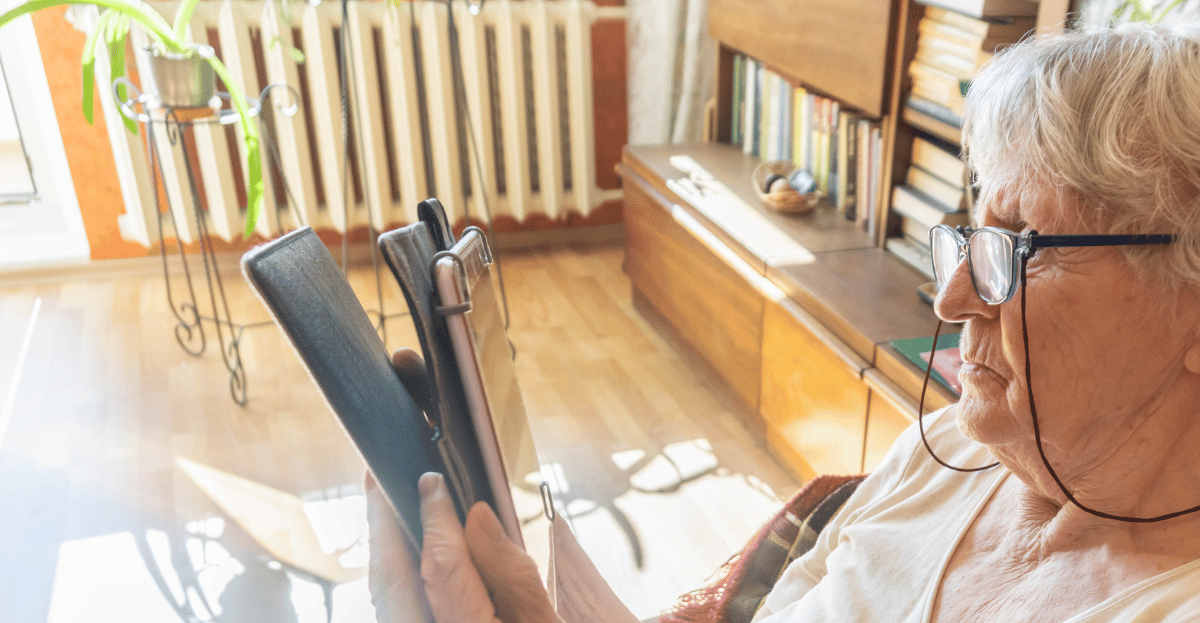
Storm’s work sits alongside a new wave of assistive technology set to make a meaningful impact in 2026. This includes a reading pen designed to support people with dyslexia, and a neuro-controlled exoskeleton with the potential to transform rehabilitation for people with neurological and musculoskeletal conditions. These innovations were recently recognised as finalists in the Australian Disability Service Awards, which highlight technologies that enhance independence, accessibility and quality of life for people living with disability.
Innovation led by lived experience is changing what access looks like
Storm is just one of many Australians showing how assistive technology can open doors to greater participation in everyday life — when it’s designed with those living with disability and not around them.
A new assistive technology rental and refurbishment program is offering renewed hope that getting the right equipment could soon be simpler, faster and more affordable.
The $5 million pilot, known as AccessTech began in March 2025 and runs until December. Delivered through an online platform, the program allows people to loan, rent or purchase high-quality refurbished assistive technology including walkers, wheelchairs, bath chairs and hoists.
To support safe and appropriate use, participants are encouraged to discuss their needs with allied health professionals before working with program facilitators to organise handover of the equipment.
Equipment is grouped by risk and complexity, with higher-risk items requiring specialist therapist or clinician involvement to ensure correct fitting, adjustment and monitoring.
While the pilot is currently limited to Tasmania and South Australia, a successful trial could see the program expanded nationally.
Lived experiences also shaping growth
Change isn’t only happening through products and programs. It’s also being driven by data.
Initiatives such as Intopia’s Assistive Technology Survey are helping capture lived experience insights from people who actually use assistive technology.
By documenting what works, what doesn’t, and where gaps remain, the survey aims to inform better product design, stronger policy and more responsive services.
Collectively, such developments are helping ensure that equipment, products, and services are safer, more effective, and more responsive to real-world needs.
Explore innovative support options
We have qualified local teams ready and able to help you explore how innovative tools can make daily support easier and more effective.
Contact Just Better CareFrequently Asked Questions
What is assistive technology?
Assistive technology includes equipment and devices that improve independence, safety and participation for people living with disability.
What is the AccessTech program?
AccessTech is a pilot program offering rental, refurbishment and purchase options for mobility and daily living equipment.
Why is lived experience important in assistive technology design?
Lived experience ensures solutions are practical, inclusive and responsive to real-world challenges.
Can assistive equipment be rented?
Yes. Programs like AccessTech allow participants to loan or rent equipment before committing to long-term purchase.
.png?width=1200&height=623&ext=.png&auto=format)
.png?width=1201&height=623&ext=.png)
.png?lang=en-AU&ext=.png)