In this article:
A UNSW study found dolphins with strong social bonds age more slowly, reinforcing what we see in people too. Meaningful relationships support health, well-being, and quality of life as we age.A recent study from UNSW researchers has revealed that male bottlenose dolphins with strong social bonds age more slowly than their more solitary peers.
Lead researcher Dr Livia Gerber says that social connections and social activity are so powerful that they can slow ageing at the cellular level.
Stay connected with the people and activities that matter to you
Learn how social and community support can help older Australians stay engaged, maintain routines, and enjoy more meaningful day-to-day life.
While scientists have long known that friendships help animals live longer, this study is the first to show that strong social bonds actually affect the ageing process itself.
“The health benefits of friendship are not unique to humans,” Dr Gerber explains. “They are a fundamental biological principle across social mammals. This research reminds us that social needs are biological needs.”
The Importance of Social Bonds
The UNSW research, published in Nature Communications Biology, shows that male dolphin friendships can last for decades, with relationships resembling human bonds.
Female dolphins have a different pattern of social bonding, influenced by having offspring of a similar age, which makes their relationships more fluid. Males, however, form long-lasting, deep social bonds by hanging out, playing together, surfing for fun, and resting side by side.
“It reminds me of two kindergarten buddies who stay together through school, careers, and retirement and share all of life’s joys and challenges,” Dr Gerber says. “Having friends means you hunt together, watch each other’s backs and share the load.”
Also read
How to become more socially active as you age
Practical ideas to help older Australians build confidence, strengthen social connections, and stay involved in their local community.
Key to an easier life
The researchers built up a picture of a dolphin population in Western Australia, analysing social connections based on years’ worth of observations.
The researchers studied 50 skin tissue samples from 38 bottlenose dolphins in Shark Bay and found that individuals with stronger, tighter social bonds aged more slowly and, therefore, likely had easier lives.
Like humans, male dolphins that have close social bonds spend a lot of time together, so whenever the team goes out on the boat to observe the dolphins, they record which ones are next to each other.
According to Dr Gerber, most research into the effects of social bonds on ageing has focused on chronological age and lifespan.
Looking for support at home?
Personalised aged care designed around your lifestyle
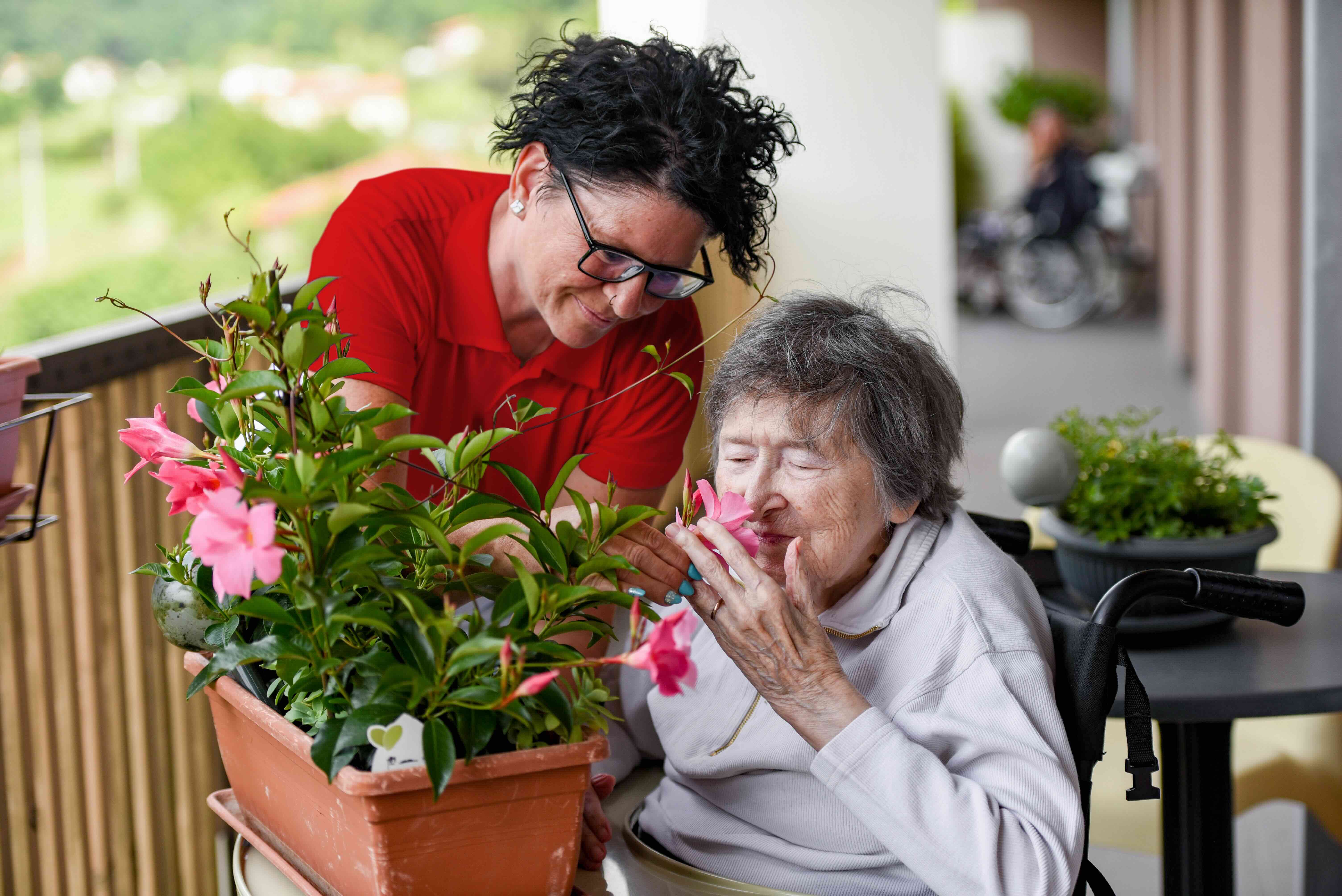
From companionship and transport to help with daily routines, Just Better Care supports older Australians in living independently and staying connected at home and in the community.
For this study, however, Dr Gerber and her research team used DNA markers to design an “epigenetic clock” to estimate an individual's biological age, providing a better indicator of their overall health and ageing status.
In humans, age estimates derived from epigenetic clocks have been used to assess how various factors, such as pollution, depression, and positive or negative social bonds, affect biological age.
“The health benefits of friendship are not unique to humans, but are a fundamental biological principle across social mammals,” says Dr Gerber.
“This research should change how we think about animal welfare and remind us that social needs are biological needs.”
The researchers say this work underscores that for humans, investing time in meaningful relationships should be as much a priority as eating well and exercising.
While this is the first time research has shown a reduction in biological age due to strong social bonds, Dr Gerber wants to see more research into friendship and ageing in elephants, primates, wolves, and any other animals that form lasting social bonds.
“I am predicting that we will find that friendship is a natural anti-ageing secret across social animals.”
Support to help you stay social, active and connected
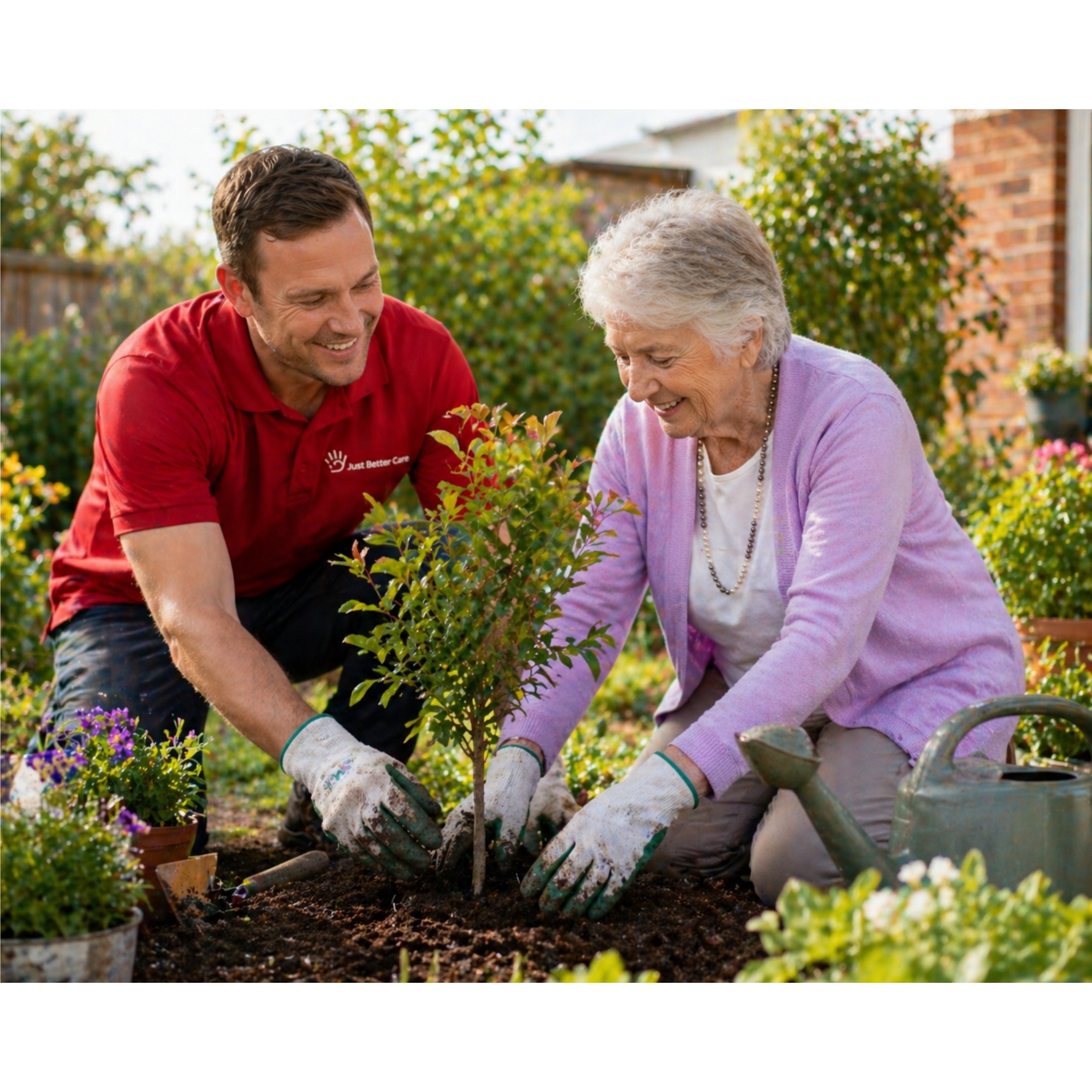
Just Better Care Support Workers can help you maintain friendships, enjoy social activities, attend appointments and events, and stay engaged in the life you want to live.
Related links
- Social and Community Support
- How to become more socially active as you age
- Activities for Seniors Australia
- Aged Care Services
- Getting started with Just Better Care
Frequently Asked Questions
Why is social connection important as we get older?
Social connection can support emotional well-being, confidence, purpose and quality of life. Meaningful relationships may also encourage routine, activity and a greater sense of belonging, all of which can have a positive impact on health and wellbeing.
How can aged care support help someone stay socially connected?
Aged care support can help with transport to appointments and social outings, companionship, assistance attending community activities, and practical support that makes it easier to keep in touch with family and friends.
What kinds of social and community activities can Just Better Care support?
Support can be tailored to the individual and may include attending local groups, social visits, community events, hobbies, cultural gatherings, appointments, or regular outings that help a person stay engaged in everyday life.
Can support be tailored to personal interests and routines?
Yes. Just Better Care works with each customer to understand their preferences, goals, routines, and lifestyle, so that support feels practical, respectful, and personal.
How do I get started with Just Better Care?
You can start by contacting your local Just Better Care team to discuss your needs, goals, and preferred supports. From there, the team can help you understand your options and create a support plan that suits your circumstances.