.png?lang=en-AU&ext=.png&auto=format)
In this article:
• Why the first weeks at home matter most
• Help with personal care and daily activities
• Medication reminders and wellbeing checks
• Mobility support and fall prevention
• Emotional reassurance during recovery
• Local support in Northern Beaches & Northern Suburbs
Returning home after surgery is often a relief. You are back in familiar surroundings, sleeping in your own bed and close to the people you care about.
But recovery does not end when you leave hospital. The first weeks at home are when your body is still healing, and everyday activities can feel harder than expected. Many people feel weaker, more tired and less steady on their feet.
With the right support, recovery can be safer, calmer and more comfortable.
Why Support at Home Is Important After Surgery
After a procedure, even simple tasks may require more effort than usual. Getting dressed, preparing meals or moving safely around the house can be tiring and sometimes risky.
Without assistance, people recovering at home may experience:
- Falls
- Incorrect medication use
- Infections
- Unplanned return to hospital
Having support allows you to rest properly while still managing daily life.
Help With Personal Care and Daily Activities
Your body needs time to rest and heal. Assistance with personal care and everyday activities allows that recovery time.
Community support professionals can assist with:
- Showering and dressing
- Getting in and out of bed
- Safe movement around the home
- Light cleaning and laundry
- Meal preparation
This reduces strain and helps you focus on healing.
Medication Reminders and Wellbeing Checks
After surgery, medications may change and need to be taken at specific times. It can be difficult to keep track while tired or uncomfortable.
Support professionals can:
- Remind you when medication is due
- Observe changes in how you feel
- Monitor for adverse reactions
- Communicate concerns to family or clinicians
Early attention to small changes can prevent larger problems.
Mobility Support and Fall Prevention
Many people feel unsteady after surgery, particularly following orthopaedic or joint procedures.
Support may include:
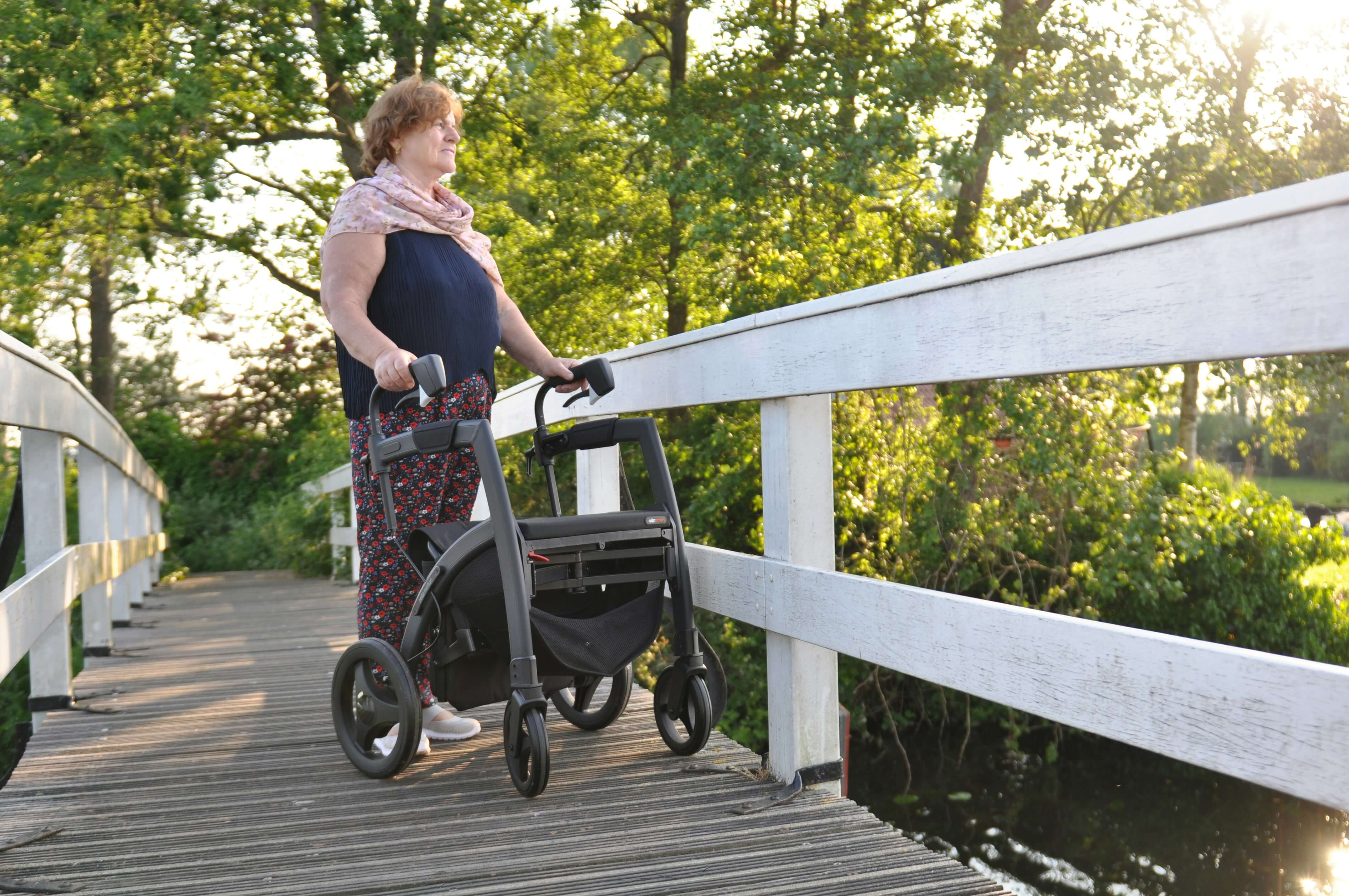
- Supervised walking
- Encouragement in safe use of mobility aids
- Reducing hazards around the home
- Supporting recommended exercises
Confidence improves gradually when movement feels safe.
Transport to Appointments
Recovery often involves follow-up appointments and therapy sessions.
We can assist with:
- Transport to appointments
- Support during visits
- Help understanding instructions
- Safe return home
This removes stress and ensures important care is not missed.
Emotional Support and Companionship
Healing is not only physical. Many people feel isolated or worried after surgery.
Regular visits provide:
- Conversation
- Reassurance
- Encouragement
- A sense of routine
Emotional wellbeing plays an important role in physical recovery.
Working Alongside Your Health Team
Community support professionals complement clinical care from:
- Nurses
- Physiotherapists
- Occupational therapists
- General practitioners
While clinicians manage treatment, we assist with daily living so recovery can continue comfortably at home.
Recover Safely With Just Better Care
At Just Better Care Northern Beaches and Northern Suburbs, we understand that everyone recovers differently. Support can be arranged for a few hours a week or more frequent visits depending on your needs.
Our goal is simple — to help you regain confidence, independence and comfort while healing in the place you know best.
Planning a Safe Return Home After Surgery?
If you or a loved one is preparing to come home after surgery, our team can help you plan a safe and supported recovery.
Contact Just Better Care Northern Beaches & Northern Suburbs

.png?width=1200&height=623&ext=.png)


.jpg?width=3024&height=4032&ext=.jpg)
.jpg?lang=en-AU&ext=.jpg)