In this Article:
Your Support at Home ACAT assessment helps determine what government-funded in-home support you can access and at what level. Preparing a simple checklist of daily challenges, current supports, goals, safety concerns and key documents can help ensure your needs are clearly understood, and the right services are recommended.This practical guide explains what the assessment involves, who completes it, what to prepare, and what happens next, so you and your family can approach the process with confidence.
What is the Support at Home assessment—and why does it matter?
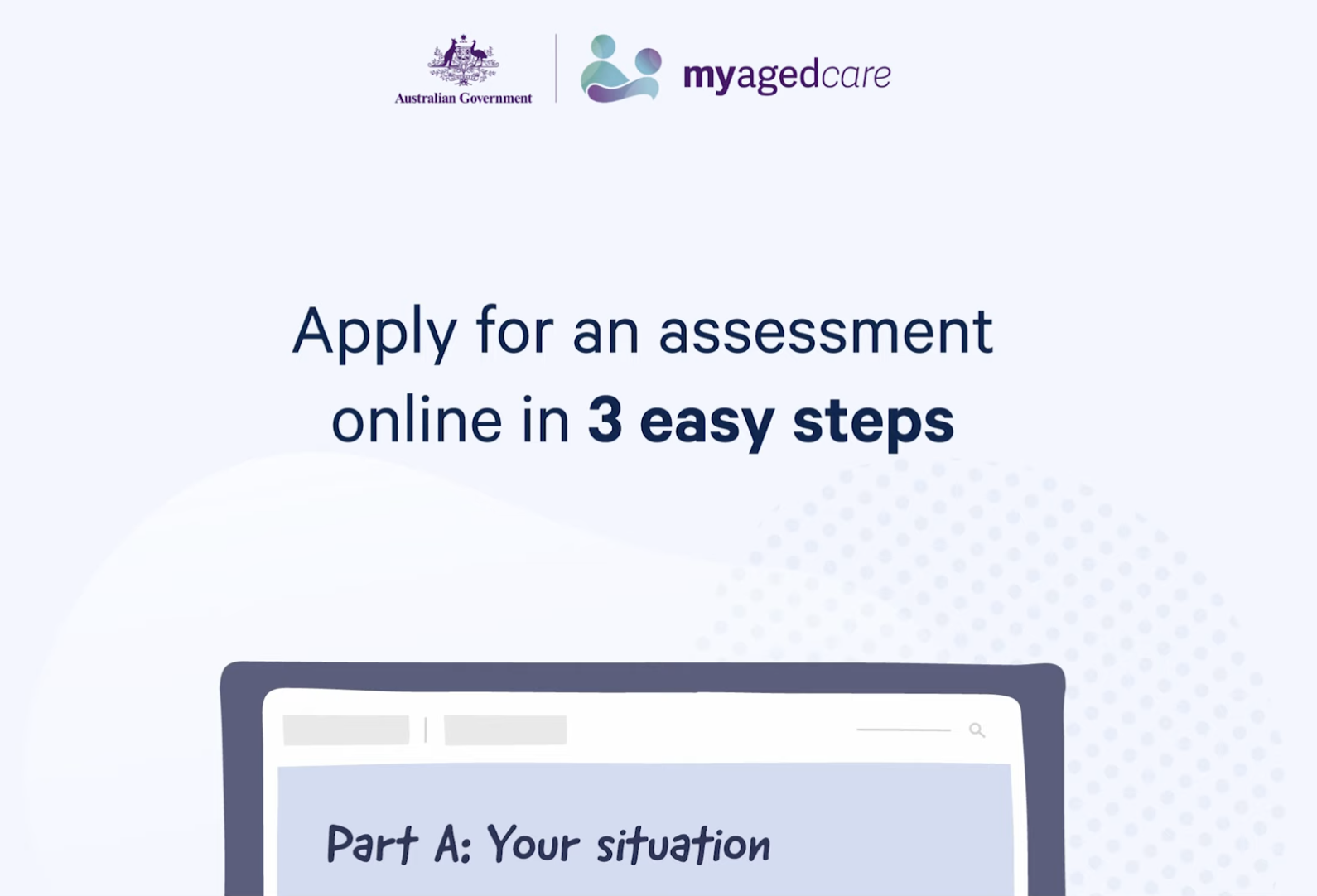
The Support at Home assessment is arranged through My Aged Care and is an important step in accessing government-funded in-home aged care services. It helps to:
- Build an accurate picture of your health, living situation and daily support needs
- Determine your eligibility for funded supports
- Inform the level of funding and types of services that may be appropriate for you
The more clearly your day-to-day challenges and goals are explained, the easier it is for the assessor to recommend supports that match what you need to live well at home.
Who completes the assessment?
An aged care assessor will complete your assessment—often in your home—to understand what support will help you stay safe and independent. They’ll ask about your daily routines, what you can do comfortably, and what you find difficult (even if you’re managing for now).
Assessments are arranged with My Aged Care. You can read more about the assessment and Frequently Asked Questions here: ACAT Assessment for Support at Home.
What will the assessor look at?
- Mobility and physical health (walking, balance, stairs, transferring)
- Personal care (showering, dressing, toileting)
- Everyday tasks (cooking, cleaning, shopping, transport)
- Medication and health management (reminders, taking medications safely)
- Home safety (falls risks, bathroom safety, access and layout)
- Cognition and memory (if relevant)
- Social connection and support network (family, friends, community)
- Your goals and what matters most to you
A practical checklist to prepare (participants and families)
It can help to think about your typical day—not just your best day. If you have a family member, friend or carer who supports you, ask them to join you for the assessment (with your permission). Together, consider the checklist below.
1) Functional needs (mobility and daily living)
Write down any tasks that are difficult, tiring, unsafe, or take longer than they used to, such as:
- Walking short distances or standing for long periods
- Getting in/out of bed or a chair
- Using stairs
- Showering, dressing, grooming, continence support
- Meal preparation and cooking
- Housework, laundry, gardening
- Shopping, driving, and getting to appointments
Tip: If you avoid activities because you’re worried about falls or pain, include that too — avoiding tasks can be a sign you need support.
2) Current supports in place
List any supports you already have, including:
- Help from family, friends, neighbours, or informal carers
- Community programs (meals, transport, social groups)
- Private services you pay for (cleaning, gardening)
- Allied health (physio, OT, podiatry) and nursing supports
This helps clarify what’s working well and where extra assistance could improve safety or quality of life.
3) Goals and priorities
Support at Home is designed to help you live safely and independently, with choice and control.
Before the assessment, think about what you want to achieve, such as:
- Staying in your own home long term
- Maintaining your mobility and strength
- Building confidence with showering or moving safely around the house
- Reducing falls risk
- Getting back to social activities and staying connected
- Managing health needs with less stress for you and your family
4) Safety considerations at home
Make note of any safety concerns or recent incidents, such as:
- Falls, near-falls, or feeling unsteady
- Bathroom safety issues (slippery surfaces, no rails)
- Trouble managing medications
- Difficulty cooking safely or remembering appliances
- Vision or hearing changes affecting daily tasks
Documents to prepare
You don’t need a folder full of paperwork—but a few key documents can help the assessor understand your needs quickly. If available, gather:
- A current medication list (including doses)
- Recent GP, specialist or hospital discharge summaries
- Allied health reports (e.g., physiotherapy, occupational therapy)
- Details of any current services and supports
- Notes about recent changes in health, mobility or memory
Questions to ask during the assessment
Tip: It’s okay to ask questions — this is about making sure you understand the process and what happens next.
Consider asking:
- What types of supports might suit my situation and goals?
- How is the level of support decided?
- Can my support change if my needs change?
- What happens if I disagree with the outcome?
- What are the next steps after the assessment?
What if you already have a Home Care Package?
If you currently receive a Home Care Package, you may transition into the Support at Home arrangements. Your assessment may include a review of your current supports and any changes in needs, goals or circumstances.
For information specific to existing Home Care Package recipients, visit: Support at Home information for existing Home Care Package customers.
What happens after the assessment?
After your assessment, you’ll receive a Notice of Decision outlining whether you’re eligible and what level of support you’re approved for. It may take some time before the funding is available. If you require support immediately, talk to your local Just Better Care office about Private (self-funded) care.
Once approved, you can choose a provider, such as Just Better Care, to help coordinate and deliver services.
Your provider will work with you to create a plan that reflects your needs, preferences and goals.
Over time, if your circumstances change (for example, after a hospital stay), you can request a reassessment. If it's a short-term support requirement, you may also consider private (self-funded) support as an alternative or a stopgap until you are able to be reassessed.
Ready to talk through your options?
We can help you understand Support at Home, prepare for what’s next, and explore the right services to support your independence at home.
Related links