Are you an older Australian living on your own without a partner, spouse, or adult children nearby? If so, you are what researchers and aged care professionals now call a solo ager. And to put a well-deserved twist on it: you are far from alone.
According to the 2021 Census, more than 1.2 million older Australians live alone, and that number is growing fast. Australia’s population is ageing rapidly: older Australians aged 65 and over now make up 16.2% of the population, up from just 8.3% in 1970. By 2066, that figure is projected to range from 21% to 23%. The ABS projects that the total number of Australians living alone will climb from 2.6 million in 2021 to between 3.4 and 4.0 million by 2046. Growth driven largely by an ageing population.
Planning ahead
Solo agers come from every walk of life. Some have never married. Some have outlived a spouse or partner. Some are divorced. Some have children, but they live interstate or overseas. Whatever the situation, one thing is consistent: planning ahead makes an enormous difference to the quality of life you can enjoy in your later years.
This article walks through the key areas every solo ager should think through. From where you live, to how you access care, to staying socially connected.
What is solo ageing?
Solo ageing refers to older adults navigating later life without a spouse, partner, or the regular, practical support of nearby family. It does not mean ageing in isolation; many solo agers have rich social lives, meaningful friendships, and strong community ties. What it does mean is that decisions about housing, health, and care often rest primarily with the individual, making early, informed planning particularly valuable.
Women's longer life expectancy
The gender dimension is worth noting. Women are significantly more likely than men to be solo agers: among Australians aged 75 and over, 40% of women live alone compared with 22% of men (ABS, 2021). This reflects women’s longer life expectancy; an Australian woman aged 65 today can expect to live to around 87.
Planning where you will live
The vast majority of older Australians want to remain at home for as long as possible. For most solo agers, that goal is entirely achievable with the right planning and support. This is known as ageing in place, and it starts with an honest assessment of whether your current home can support you as your needs evolve.
Practical areas to review include:
- Bathroom safety: grab rails, non-slip flooring, accessible shower or bath
- Bedroom access: ideally, single-level sleeping arrangements
- Kitchen design: reachable storage, good lighting, manageable appliances
- Entrances and exits: level access, adequate lighting, secure pathways
- Stairs: solid handrails or, where possible, single-level alternatives
An occupational therapist can assess your home and recommend practical, cost-effective changes. Just Better Care can connect you with allied health professionals, including occupational therapists and physiotherapists, who specialise in supporting people to live safely and independently at home.
It is also worth having a plan B. Researching your local residential care options now, before you need them, means any future decisions are made with clarity and time on your side, rather than under pressure.
Understanding your in-home care options
Thanks to Australia’s aged care system and the availability of professional in-home support, solo agers can get meaningful help at home across a wide range of needs. Often, allowing people to remain independent far longer than they might expect.
At Just Better Care, we provide support across three broad areas:
Daily living support
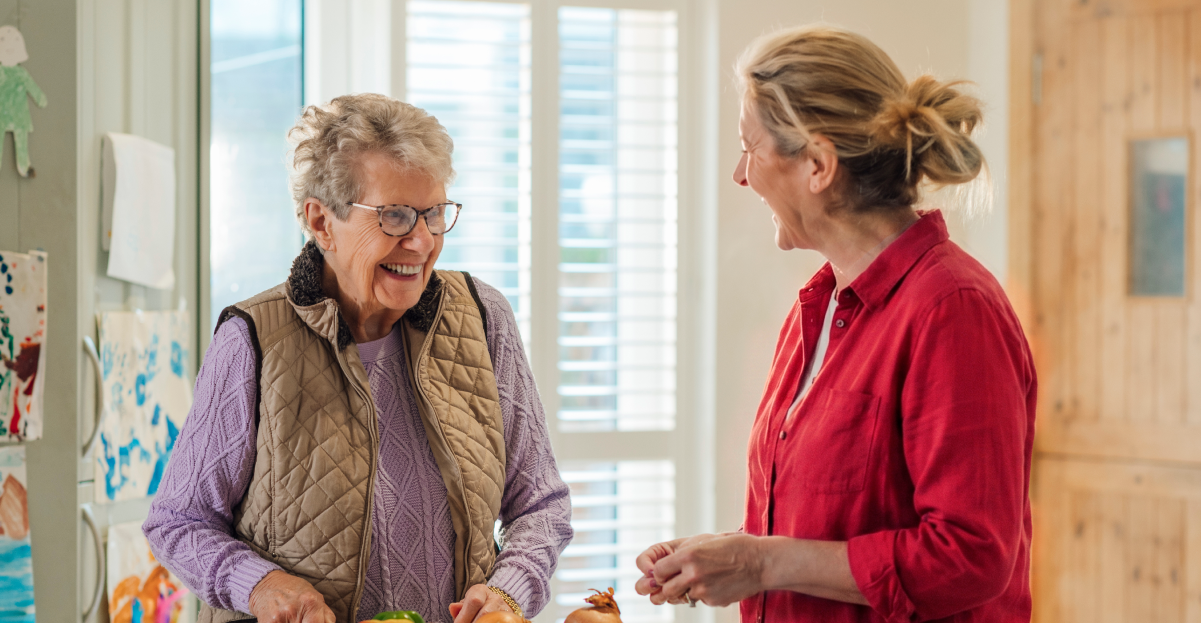
Our support workers assist with domestic tasks, including cleaning, laundry, grocery shopping, and meal preparation. Domestic assistance helps you maintain a well-run, comfortable home without relying on family or friends for day-to-day tasks.
Personal care and companionship
As needs change, personal care support — including help with bathing, grooming, and dressing — makes a real difference to independence and dignity. Our team also provides regular companionship, social support, and transport to appointments and community activities. For solo agers, this kind of consistent, friendly contact carries real weight in terms of well-being. More on that below.
Clinical and specialist support
Just Better Care connects clients with allied health professionals, including physiotherapists, occupational therapists, podiatrists, and registered nurses. Whether you need clinical monitoring, rehabilitation support, or help managing a chronic condition at home, we can coordinate the right care around your individual goals. Learn more about our clinical care services.
Navigating aged care funding
Australia’s aged care funding system can feel complex, but real support is available. Here is a plain-language overview of the key pathways.
Support at Home program
The program gives eligible older Australians a flexible budget to spend on the care and support services that matter most to them. Just Better Care is an approved Support at Home provider and can guide you through your entitlements, help you set up a care plan, and adjust your support as your needs change.
Private in-home care
If you are not yet eligible for government-funded care or need support while your assessment is being processed, Just Better Care offers flexible private in-home care options. You can start with as little as a few hours per week and scale up over time. No long-term commitments required.
Getting started with My Aged Care
To access government-funded aged care, you will need to register with My Aged Care (phone 1800 200 422 or visit myagedcare.gov.au) and complete an assessment. Just Better Care team members can guide you through each step of this process. Contact your nearest Just Better Care office to get started.
The importance of staying socially connected
Social connection is one of the most significant factors in healthy ageing, and the data are clear.
Loneliness in older adults is associated with poorer physical and mental health, increased risk of depression, and even higher rates of premature death, with some research comparing its impact on mortality to that of obesity or smoking.
Connection for solo agers
For solo agers, without the built-in social contact that comes from living with a partner or having family nearby, it is worth thinking proactively about how to build connections. Some practical ideas:
- Community centres and seniors groups: many local councils run programs for older adults, including exercise classes, arts activities, and social lunches
- Volunteering: a meaningful way to stay active, contribute, and form new friendships
- Faith communities and interest groups: regular contact with familiar faces builds genuine, lasting connections
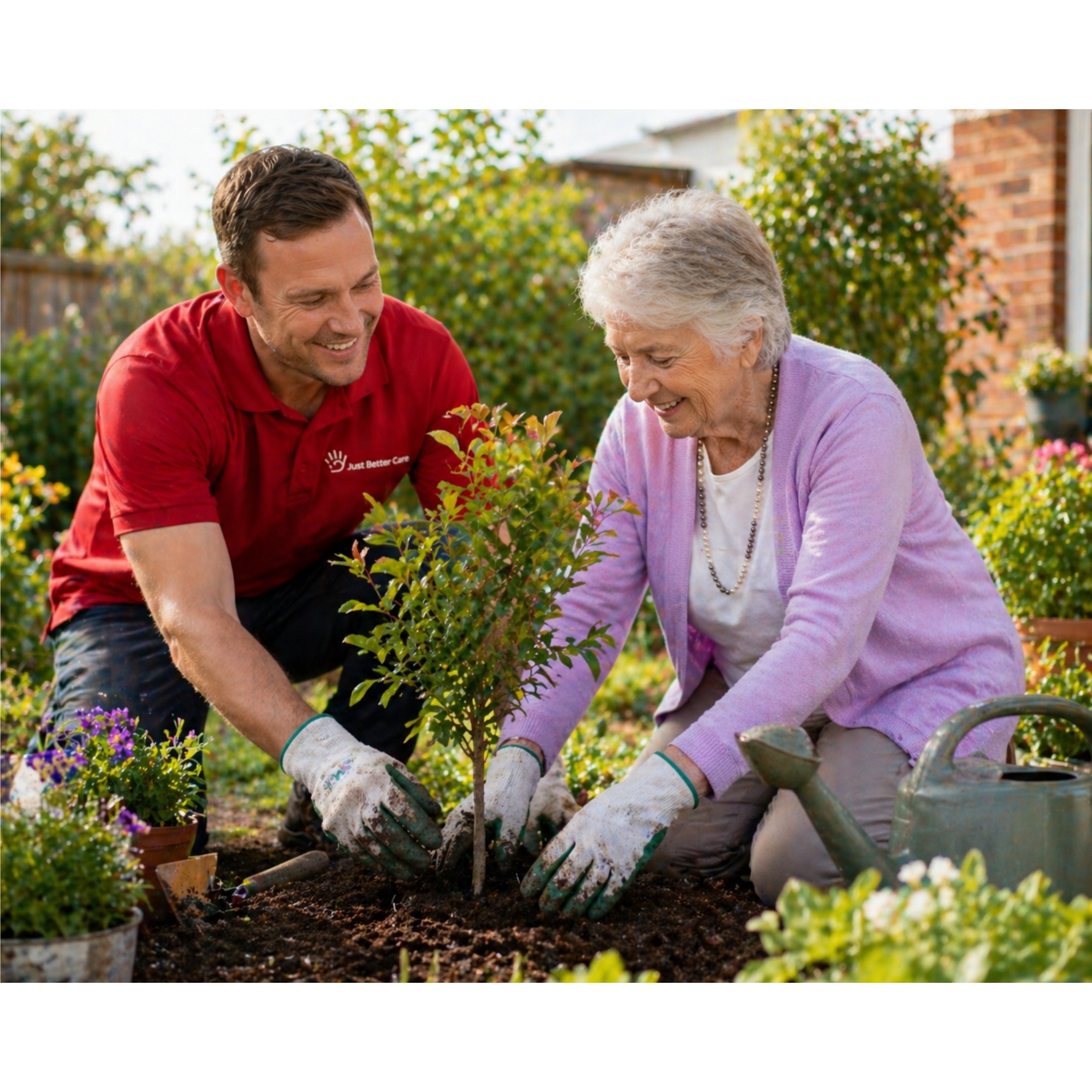
- In-home support visits: for many Just Better Care clients who live alone, their support worker provides one of the most consistent and valued points of social contact in their week
Our social support and community access services are specifically designed to help clients stay active, engaged, and connected to the people and activities that matter to them.
Legal and financial planning
For solo agers, having legal and financial affairs clearly documented is especially important. Without a partner or nearby family to act on your behalf during a health event or emergency, the right documents in place provide peace of mind for you and clarity for everyone else.
Key documents to put in place:
- 1. Enduring Power of Attorney: appoints a trusted person to make financial and legal decisions if you are unable to.
- 2. Enduring Guardianship or Medical Power of Attorney: appoints someone to make health and lifestyle decisions on your behalf.
- 3. Advance Care Directive: documents your wishes about medical treatment and end-of-life care.
- 4. A current, valid Will: essential for ensuring your estate is managed as you intend.
An elder law solicitor or financial planner with experience in aged care can help you get these arrangements in place. Many offer reduced-cost first consultations. Your state’s Law Society can help you find a suitable solicitor.
Start planning before you need to
The single most important thing a solo ager can do is plan ahead. Even before a health event, a fall, or a sudden change in circumstances, those decisions become harder. Solo agers who have considered their housing, care, finances, and social networks in advance are consistently better placed to live the life they want, for longer.
Just Better Care supports older Australians across the country to remain at home, on their own terms, with the right level of support around them. Whether you are exploring your options for the first time or ready to put a plan in place, our team is here to help.