Article Highlights:
The best winter foods in Australia are seasonal root vegetables, citrus fruits and warming spices: pumpkin, sweet potato, carrot, parsnip and swede for fibre and slow-release energy, oranges, mandarins, lemons and grapefruit for Vitamin C, and ginger and turmeric for antioxidants and warmth. All three suit slow cooking, which keeps meals soft, affordable and easy to prepare in batches.Beyond chicken soup, these are the root vegetables, citrus fruits, and warming spices that help support immunity and comfort through an Australian winter.
Winter has a way of making us crave comfort food, and there is good reason for that instinct. The right seasonal ingredients do not just warm you up; they can also give your immune system a genuine boost when it needs it most. While chicken soup gets all the attention, there is a whole pantry of winter superfoods that deserve a place on the table, from root vegetables packed with slow-release energy to citrus fruits bursting with Vitamin C and spices that warm you from the inside out.
Whether you are planning meals for yourself, a family member, or the people you support each day, these ingredients are easy to find, simple to prepare and genuinely enjoyable to eat.
The short answer
The best winter superfoods in Australia are seasonal root vegetables such as pumpkin, sweet potato, carrot, parsnip and swede, citrus fruits such as oranges, mandarins, lemons and grapefruit, and warming spices such as ginger and turmeric. Together they provide fibre, slow-release energy, Vitamin C and antioxidants, and they all suit slow cooking, which makes them easy to eat and easy to prepare in bulk.
What makes a food a winter superfood?
There is no official definition of a superfood. In practical terms, a winter superfood is a seasonal ingredient that is nutrient dense, affordable when it is in season, and easy to cook in ways that suit cold weather. The three groups below tick all of those boxes, and they are widely available in Australian supermarkets and greengrocers from June through August.
Eating with the seasons also tends to mean better flavour and lower cost, because produce is harvested closer to home and in greater volume.
Root vegetables: the winter staples that are easy to cook and easy to eat
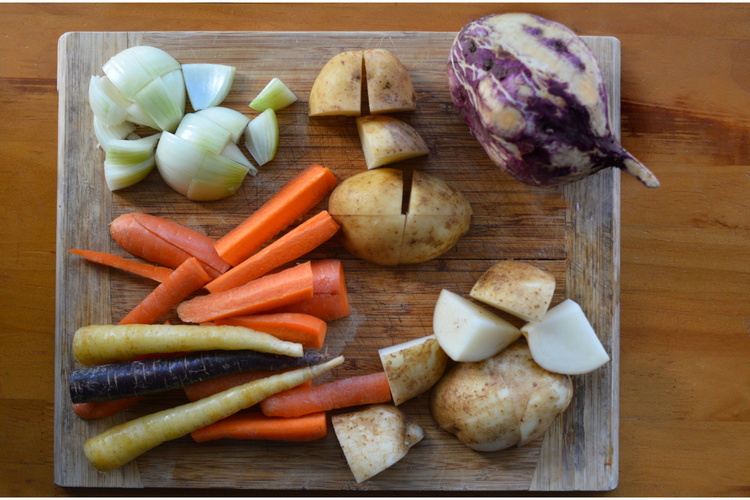
Pumpkin, sweet potato, carrot, parsnip and swede are at their best in the colder months, and they bring more to the table than heartiness. These vegetables are rich in complex carbohydrates, fibre and antioxidants, and are a good source of many essential vitamins and minerals, according to the Better Health Channel.
Root vegetables are also incredibly versatile. Roasted, mashed or simmered into a soup, they hold their texture and flavour well, which makes them ideal for slow cooking. For older adults, or anyone managing chewing or swallowing difficulties, a well-cooked root vegetable is soft, nutritious and easy to enjoy.
Australian root vegetables at their best in winter:
- Pumpkin: high in beta carotene, excellent roasted or blended into soup
- Sweet potato: naturally sweet, high in fibre, mashes beautifully
- Carrot: inexpensive year-round, softens well in slow-cooked dishes
- Parsnip: sweeter after a cold snap, good roasted or pureed
- Swede and turnip: mild and filling, ideal in stews and mashes
- Beetroot: earthy and rich in folate, roast whole or grate raw
If mealtimes have become harder to manage at home, our aged care meal preparation support can help take the pressure off, with a Community Support Professional preparing meals suited to individual tastes and needs.

Citrus fruits and Vitamin C: what they actually do for your immune system
Winter is peak season for oranges, mandarins, lemons and grapefruit, which is convenient, because this is exactly when our bodies benefit most from a Vitamin C top-up. Vitamin C supports the immune system and helps the body absorb iron from plant foods, and there is some evidence it may help reduce the length of severe cold symptoms, according to healthdirect Australia.
A piece of citrus fruit is an easy snack, but it also works well stirred through recipes. A squeeze of lemon over roasted vegetables, or orange segments added to a winter salad, brightens up heavier meals and adds a welcome contrast of flavour.
Citrus is not the only source. Capsicum, broccoli, Brussels sprouts, kiwifruit and strawberries are all high in Vitamin C, so there is plenty of room to vary things if citrus is not a favourite. Vitamin C is water soluble and sensitive to heat, so lightly steaming vegetables rather than boiling them helps retain more of it.
Ginger and turmeric: how warming spices work in winter cooking
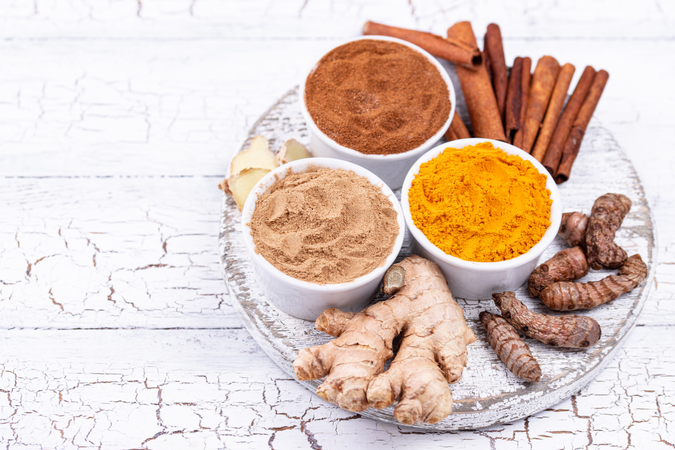
Ginger and turmeric have long been used in traditional cooking and medicine for their warming properties. The key compound in turmeric, curcumin, has been studied for its antioxidant and anti-inflammatory effects, though researchers note the evidence is still developing, according to Johns Hopkins Medicine. Ginger can also help settle the stomach, and it adds a gentle heat to soups, teas and stir-fries.
Both spices are easy to introduce gradually. Start with a small amount grated or ground into a dish, then adjust to taste. Turmeric is best absorbed alongside a source of fat and a pinch of black pepper.
Worth checking first: ginger and turmeric can interact with blood-thinning medications, and grapefruit affects how the body processes a number of common prescriptions. If you or the person you support takes regular medication, it is worth a quick conversation with a GP or pharmacist before making these a daily habit.
A simple slow cooker root vegetable and lentil stew
Here is an easy way to bring all three food groups together in one pot. It is low effort, it freezes well, and it is gentle enough for most dietary needs. It makes roughly four to six serves.
SLOW COOKER ROOT VEGETABLE AND LENTIL STEW
Prep 15 minutes | Slow cooker 6 to 7 hours on low | Serves 4 to 6
Ingredients
- 1 sweet potato, peeled and diced
- 2 carrots, sliced
- 1 parsnip, diced
- 1 brown onion, diced
- 2 garlic cloves, crushed
- 1 tin (400g) diced tomatoes
- 500ml vegetable or chicken stock
- 1 tsp grated fresh ginger
- 1 tsp ground turmeric
- 1 cup red lentils, rinsed
- Salt and pepper, to taste
- Juice of half a lemon, to serve
Method
- Add all vegetables, garlic, tomatoes, stock, ginger and turmeric to the slow cooker.
- Stir in the lentils.
- Cook on low for 6 to 7 hours, or on high for 3 to 4 hours, until the vegetables are tender and the lentils have softened.
- Season to taste, and finish with a squeeze of lemon juice just before serving.
No slow cooker?
On the stovetop, this stew takes around 35 to 40 minutes over a low simmer. In a microwave-safe dish, cook on high for roughly 15 to 20 minutes, stirring every five minutes.
Batch cooking a stew like this is one of the simplest ways to take pressure off the rest of the week. Cool it quickly, portion it into single-serve containers, and label each one with the date before freezing.
How to make winter meals easier at home
Good nutrition in winter is often less about what is on the plate and more about whether cooking feels manageable at all. Cold weather, sore joints, low energy and a trip to the shops in the rain can all get in the way of a proper meal. A few small adjustments help.
- Cook once, eat three times. Soups, stews and casseroles reheat well and lose very little in the process.
- Keep a frozen backup. Frozen vegetables are picked and frozen at peak ripeness, so they are a solid nutritional option when fresh produce is not practical.
- Make it soft, not bland. Slow cooking softens texture without stripping flavour, which matters if chewing has become harder.
- Keep drinking. Thirst is easy to miss in cold weather. Soups, broths and warm drinks all count towards fluid intake.
- Eat together where you can. Company at the table is one of the strongest predictors of whether someone actually finishes a meal. Companionship for older Australians: why it matters to your health.
Staying nourished works best alongside staying mobile. If winter has slowed things down, our guide to gentle ways to stay active this winter pairs well with a few good meals, and if you would like to grow some of these ingredients yourself, winter gardening is easier than most people expect.
Winter superfood questions, answered
What are the best winter superfoods in Australia?
Seasonal root vegetables such as pumpkin, sweet potato, carrot, parsnip and swede, citrus fruits such as oranges, mandarins, lemons and grapefruit, and warming spices such as ginger and turmeric. All are widely available, affordable in season, and suited to slow cooking.
How to Grow and Care for Jasmine.
Do winter foods really help your immune system?
No single food prevents illness. What helps is a consistent pattern of eating that supplies enough Vitamin C, fibre, protein and other essential nutrients. Seasonal winter produce makes that pattern easier and cheaper to maintain.
Which foods are highest in Vitamin C?
Capsicum, broccoli, Brussels sprouts, kiwifruit and strawberries are all high in Vitamin C, along with citrus fruits such as oranges, mandarins, lemons and grapefruit. Because Vitamin C is water soluble and heat sensitive, steaming or eating produce raw preserves more of it than boiling.
What are root vegetables, exactly?
Root vegetables are plants grown for the edible part that develops underground. Common Australian examples include potato, sweet potato, carrot, parsnip, swede, turnip, beetroot and radish. Pumpkin is not technically a root vegetable, but it is used in much the same way in winter cooking.
What are good winter meals for older adults with chewing difficulties?
Slow-cooked stews, soups, mashed root vegetables, lentil dishes and casseroles are soft, warm and nutrient dense without being bland. A stick blender turns almost any vegetable soup into a smooth version if that is easier. If swallowing is a concern, ask a GP for a referral to a speech pathologist or dietitian.
Are ginger and turmeric safe to take every day?
In normal cooking amounts, both are generally well tolerated. Concentrated supplements are a different matter and can interact with blood-thinning medication. Check with a GP or pharmacist before starting a daily supplement.
Is frozen or tinned produce as good as fresh in winter?
Frozen vegetables and fruit are frozen soon after harvest and retain most of their nutritional value, so they are a reliable option. With tinned produce, choose varieties in water or natural juice with no added salt or sugar where possible.
Can someone help with meal preparation at home?
Yes. A Community Support Professional can help with meal planning, grocery shopping, cooking and batch cooking for the freezer, as part of an in-home care plan. This is available through both aged care meal preparation services and disability support meal preparation services, tailored around individual needs and preferences.
Small changes make winter feel warmer
Good nutrition does not need to be complicated, especially in winter. Root vegetables, citrus fruit and a few warming spices go a long way toward supporting wellbeing, and they make mealtimes something to look forward to. Whether you are cooking for yourself or supporting someone else, small changes like these can make winter feel a little warmer, one bowl at a time.
Find other activities for Seniors with the Ultimate Australian List (for every ability).
Support with meal preparation, tailored to you
From root vegetable stews to everyday favourites, our Community Support Professionals can help make winter mealtimes easier, in the comfort of your own home.
This article is general information only and is not a substitute for personalised medical or dietary advice. Speak with a GP, pharmacist or accredited practising dietitian about individual needs.



.png?width=1200&height=623&ext=.png)
.png?width=1201&height=623&ext=.png)