Article highlights
To work as a Support Worker in Australia, you do not always need a formal qualification to begin. But a Certificate III or IV in Individual Support, Disability or Ageing, plus First Aid, CPR and manual handling, will make you more employable and more confident from your first shift. Training is what turns a caring nature into safe, capable, professional support.
In short: qualifications open the door, but ongoing training is what keeps you safe, current, and growing. Just Better Care builds both into your role from day one.
What qualifications do you need to become a Support Worker?
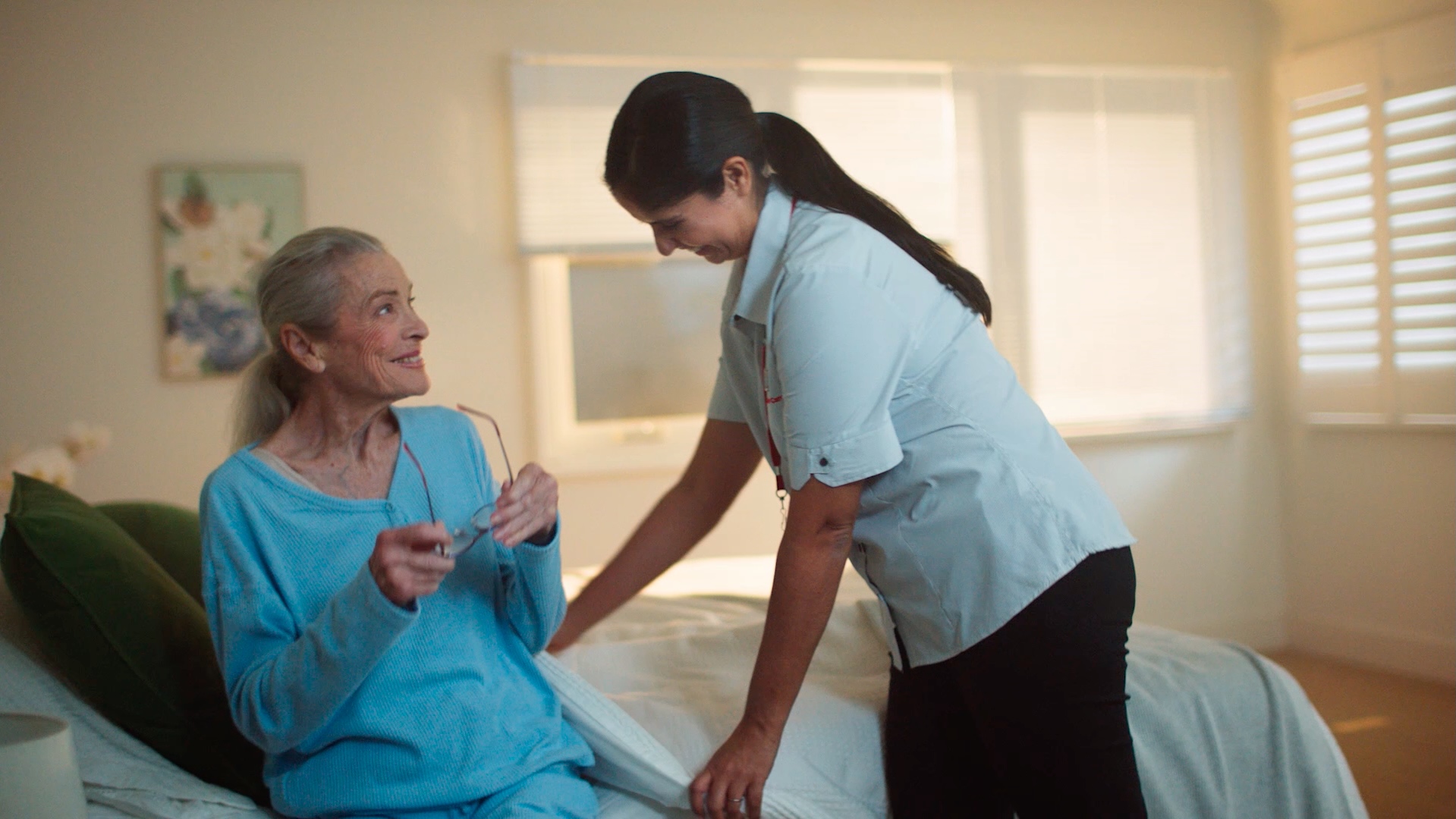
A Support Worker is a paid professional who helps older Australians and people living with disability do the everyday things they want and need to do, at home and out in the community. Because that work is personal and hands-on, most customers and employers prefer workers who hold at least a base qualification.
The qualifications that help you get started include:
- Certificate III or IV in Individual Support, Ageing, Home and Community Care, or Disability (preferred by most employers)
- First Aid and CPR, kept current
- Manual handling training
- Medication assistance training, depending on the role
You will also need the right screening checks before you can start, such as an NDIS Worker Screening Check and a police check. If you are moving across from a related role, our guide on how to make the switch from Carer to Support Worker walks through the steps.
See how you can become a support worker in Australia.
Can you become a Support Worker without qualifications?
Yes, in many cases you can start while you study. Some customers and employers will take on a Support Worker who is in the process of qualifying, provided the right screening checks and core safety training are in place. Your caring nature matters as much as your certificate.
What genuinely sets a great Support Worker apart is not only paperwork. A calm, compassionate and reliable approach, good communication, and a real desire to help people live independently are qualities you bring with you. Training and qualifications then give you the knowledge and confidence to deliver that care safely. If you are wondering whether the role suits you, our team members share the people-person rewards of being a Support Worker.
Support Worker training at Just Better Care
Comprehensive onboarding before your first visit
Every Just Better Care team member completes a structured orientation and onboarding program before they work with a customer, so you feel prepared from day one. Onboarding includes:
- Meeting and settling in with the team at the local Just Better Care office that employs you
- Online orientation on how to provide safe, respectful support in a customer's home
- Disability-specific training, including the free NDIS Worker Orientation Module from the NDIS Quality and Safeguards Commission
- Guidance on setting professional boundaries and managing stress
Ongoing training that keeps your skills current
Care standards and best practice change over time, so Just Better Care team members complete annual refresher training to stay compliant and up to date. Each year, Support Workers refresh:
- Manual handling
- Infection control
- Basic home fire safety
- CPR and First Aid
- Recognising and responding to abuse and neglect
Alongside the mandatory modules, skills development programs give you the chance to build on what you already know, handle a wider range of customer needs, and grow in your career.
Free access to more than 100 online courses
To help you keep learning at your own pace, Just Better Care provides over 100 self-paced courses through its online Learning Management System (LMS). The courses are updated regularly, and you choose when to study, so learning fits around your shifts and your life. Topics include:
- Mealtime management
- Person-centred practices
- Disability services standards
- Resolving conflict
- Understanding unconscious bias
100+ self-paced online courses, updated regularly, free for Just Better Care team members to complete whenever it suits them.
How training supports your career
Support work opens doors across disability support, community care and aged care. Anyone with genuine compassion and a calm, caring approach can find a place in the sector, and ongoing training is what lets you keep growing within it. Staying current and qualified means you can take on more complex support, move into new areas of care, and build a career that lasts. It is also why our team members are recognised for the difference they make, something we mark when we celebrate the milestones and contributions of Support Workers.
Ready to make a genuine difference in your community?
Just Better Care provides the onboarding, training and free online resources to help you feel confident and capable as a Support Worker. Contact your nearest Just Better Care office to find out how to join the team.
Frequently asked questions
How do I get started as a Support Worker with Just Better Care?
Just Better Care welcomes caring, compassionate people who want to make a real difference. If you would like to work in a sector where you feel valued and supported, and choose hours that suit you, contact your nearest Just Better Care office. You can also view current openings on the Just Better Care careers page.
How much do Support Workers get paid?
Working for a provider like Just Better Care means award wages, superannuation, insurance cover, structured training, supervision and a team behind you. Pay depends on your experience and qualifications, the complexity of the support, your award level and the type of shift.
What is the difference between an NDIS Support Worker and a disability Support Worker?
They are usually the same role delivering the same services. The term NDIS Support Worker simply means the support is funded through a person's NDIS plan. You can read more about the support we provide on our disability support page.
Read more about disability Support Worker duties, skills, qualifications & pay
Do I need a qualification before I apply?
Not always. A Certificate III or IV is preferred and builds your confidence, but some customers and employers will take you on while you study, as long as your screening checks and core safety training are in place.
What background checks do I need to work as a Support Worker?
To work in a customer-facing role, you will usually need an NDIS Worker Screening Check, which is a national clearance required for workers in risk-assessed roles with registered NDIS providers and is valid for up to five years. For aged care roles, a current police check is generally required, and a valid NDIS Worker Screening Check is also accepted. Some roles need a Working With Children Check as well. Requirements vary by state and territory, so your local Just Better Care office will confirm exactly what you need before you start.
Is the NDIS Worker Orientation Module free and mandatory?
Yes. The NDIS Worker Orientation Module, called "Quality, Safety and You", is a free online course from the NDIS Quality and Safeguards Commission. It takes around 90 minutes; you can complete it at your own pace, and you receive a certificate of completion to give to your employer. It is a standard part of onboarding for workers supporting NDIS participants, and it is built into the Just Better Care induction.
How long does it take to become a Support Worker?
There is no fixed timeframe. If you already have your checks and a base qualification, you could be ready to start quite quickly. If you are studying a Certificate III in Individual Support, that typically takes several months to around a year, depending on whether you study full time or part time. Because some employers let you begin while you complete your qualification, you do not always have to wait until you finish to start working.
What makes a good Support Worker?
The best Support Workers combine practical skill with genuine care. Patience, empathy, reliability and clear communication matter just as much as your training, because customers are trusting you in their own home. A calm, respectful and dependable approach, along with a willingness to keep learning, is what turns a good Support Worker into a great one.