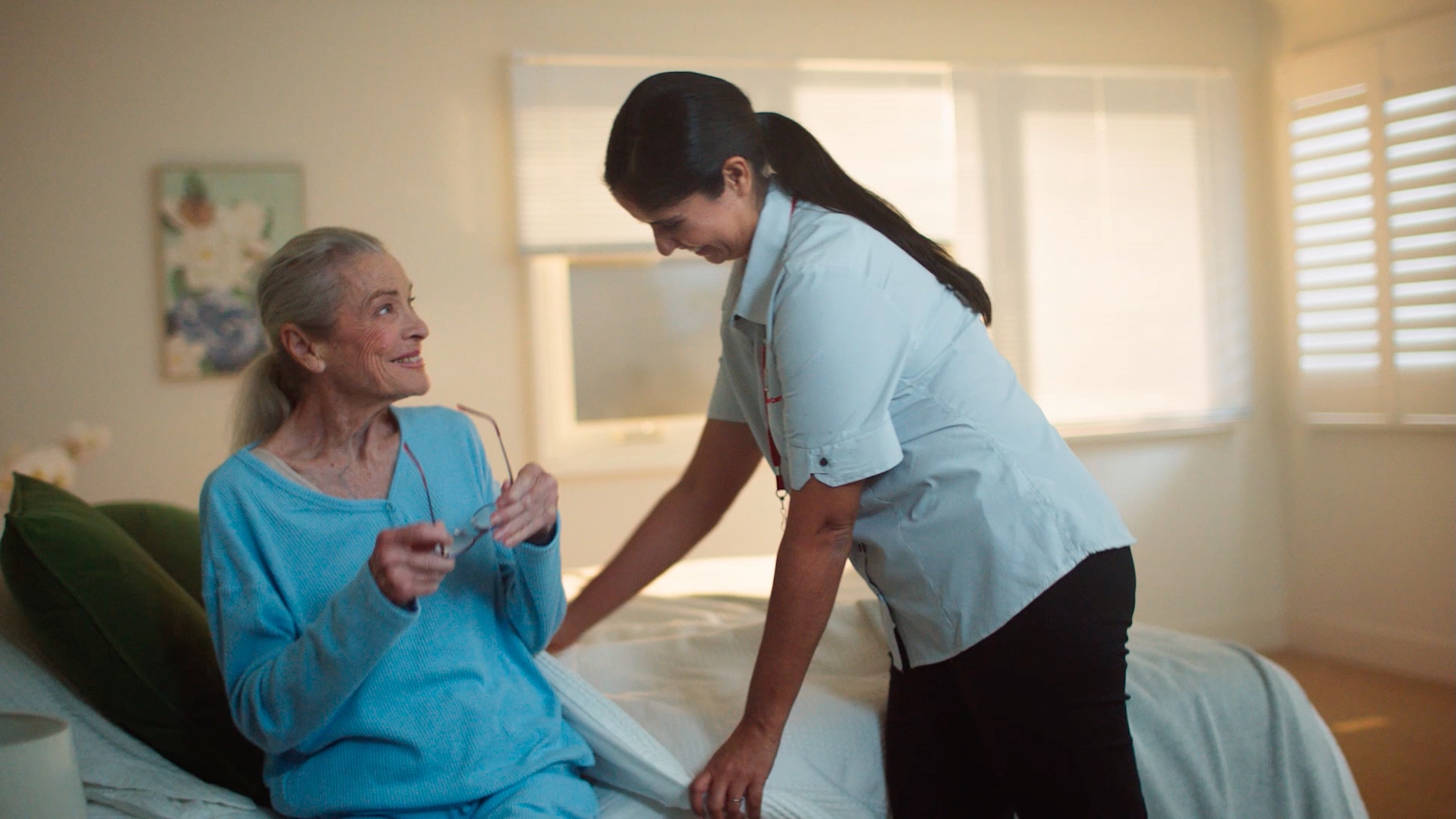
For older Australians with higher care needs, the choice is rarely as simple as home or a facility. 24-hour home care falls in between, allowing you to stay in familiar surroundings while having trained support on hand at any hour, day or night.
Round-the-clock care at home is not the right fit for everyone, and it is a significant financial commitment. But for the right person, at the right time, it can be the difference between staying put and moving into residential care.
What is 24-hour home care, and what is overnight support?
24-hour home care, sometimes called round-the-clock or continuous care, means support in a person's own home across the day and night. Rather than one or two short visits, a rotating roster of Support Workers and nurses, where clinical care is needed, covers the hours you need, so there is always someone present and awake. Just Better Care does not provide live-in care, where a single Carer stays in the home long-term. Instead, the cover is built from scheduled shifts across the day and night.
Overnight support and overnight care for older Australians
Overnight support is a key part of this. Overnight support is provided in your home, so you are not alone if you need help after hours. In-home care generally takes one of two forms.
Active, or waking, night support
Active, or waking night support, is where a Support Worker stays awake through the night and provides active assistance, which suits people who need help more than once or twice a night, which can include:
- Help getting in and out of bed, and turning or repositioning through the night
- Medication and pain management
- Support with dressing and bathing
- Ongoing monitoring of your condition
- Continence management and toileting support
Inactive, or sleepover, support is where a Support Worker is in the home and on call to assist if needed, suited to people who usually sleep through the night but want someone close by for safety and reassurance.
Overnight support can be scheduled in advance or arranged on an as-needed basis, for instance, when a usual Carer has other commitments. It can also be reassuring for the family to know their loved one is safe and supported overnight. How much support you need overnight, and whether that extends to full 24-hour cover, depends on your situation, and it can be adjusted as your needs change.
When does round-the-clock care at home make sense?
24-hour care is a serious step, and for many people, a few scheduled visits a day, combined with overnight support, is enough.
Round-the-clock support tends to make sense when:
- The person has a condition that requires constant supervision. For example, people living with advanced dementia, Parkinson's, or another condition that brings confusion, wandering, or a high risk of falls
- They need help with transfers, repositioning, or personal care more than once during the night
- They are recovering from surgery, a hospital stay or a serious illness and need close support for a period
- They are receiving palliative or end-of-life care and wish to remain at home
- A Family Carer is exhausted, unwell, or cannot safely provide cover overnight
In each case, the aim is the same: to keep the person safe and comfortable at home, while giving the family the reassurance that help is always there.
What does 24-hour care at home for the elderly include?
Care is built around the person, not a fixed checklist, but 24-hour home care services usually combine practical, personal, and clinical support across the day and night.
During the day, that can mean help with personal care, dressing and grooming, meals and medication management, mobility, getting out and about, light domestic tasks, and companionship. Overnight, an overnight support worker can assist with toileting, repositioning, and settling, take prompt action when support or assistance is needed, and provide reassurance so the person and their family can rest easily.
Nursing care at home
Where there are clinical needs, care can be coordinated with registered nurses and allied health professionals, so medication management, wound care, or chronic condition support continues safely at home.
How to arrange 24-hour aged care at home
There are two main ways to fund and arrange round-the-clock care at home.
The first is through the aged care system. If you have not been assessed yet, your starting point is an assessment through My Aged Care (call 1800 200 422 or visit myagedcare.gov.au). If you are eligible, the Support at Home program provides a budget you can put towards the services you need. Our step-by-step guide to getting started with Support at Home walks through the assessment, approval and funding in detail.
It is worth being realistic about cost. A Support at Home budget is unlikely to fund continuous, around-the-clock care on its own, so many families combine their funded hours with privately paid support to cover the full day and night.
Need support now?
It is worth being realistic about cost, because 24-hour care is a significant commitment. Support at Home funding will not cover continuous, around-the-clock care on its own. To put it in perspective, at an indicative private rate of $120 an hour, 24-hour care works out to around $2,880 a day, or more than $20,000 a week, and that is before premiums such as weekend rates, overnight rates and care management are added. Because of this, there are realistically two ways to fund round-the-clock care at home: combining your Support at Home funding with privately paid support, or paying for the full service privately. Your local Just Better Care office can walk you and your Family through the options and give you a clear quote based on your situation.
Whichever route you take, you will need to choose a provider to coordinate and deliver the care. Look for one that takes the time to understand the person's routines, preferences, and goals, and that can field a consistent team rather than a rotating cast of strangers. Our list of reasons to choose Just Better Care is a good place to start. If you live in a regional, rural, or remote area, services can be more limited, so it is worth contacting My Aged Care or local providers early to understand what is available near you.
24-hour home care or residential aged care?
For families weighing up options, the comparison usually comes down to setting and continuity. Residential aged care provides 24-hour support in a purpose-built facility, meaning an environment specifically designed and modified for aged care, with features such as accessible building entry and exit points, ramps, handrails, and specialised equipment built in throughout, along with on-site staff. 24-hour home care provides similar round-the-clock support, but in the person's own home, surrounded by their own things, routines, and community.
Staying at home is not always the cheaper or simpler option, particularly at the most intensive levels of care, and a home may need some modifications or equipment to make round-the-clock care safe. But for people who feel strongly about remaining at home and can do so safely, it offers familiarity, privacy, and a level of one-to-one attention that a facility cannot always match. For many older Australians, remaining at home with the right support can also support their sense of well-being and independence.
Getting started with 24-hour home care
If round-the-clock care is something you are considering, a good first step is to write down what a typical day and night looks like now, and where the gaps and risks are. That makes it much easier to work out whether you need active overnight care, a live-in sleepover, or simply more daytime support.
From there, your local Just Better Care team can talk through your options, help you understand what is possible through Support at Home or privately, and build a plan centred on the person.
Get started with round-the-clock care at home
Our team can talk you through what 24-hour home care could look like for you or someone you care for, and help you understand the services available in your area.
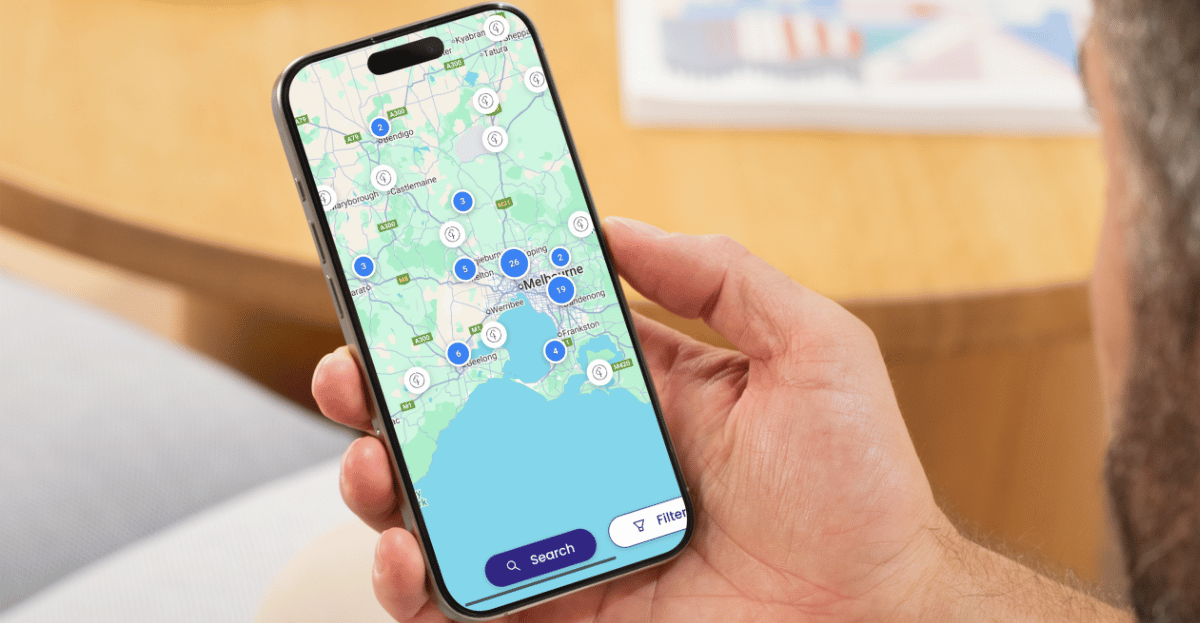
Find your nearest office




-(1).jpg?width=962&height=630&ext=.jpg)