Alzheimers Awareness Month | Understanding Dementia:
This is the first of four articles running throughout each week of September to mark 2026 Alzheimer's and Brain Awareness Month. Part 1 seeks to understand dementia, it's an umbrella term for 100+ conditions, not a single disease, and it's Australia's leading cause of death. There are approximately 446,500 Australians currently live with it, a number projected to exceed one million by 2065. It reaches further than most people assume; nearly 29,000 Australian adults aged under-65s have young-onset dementia and First Nations Australians face three to five times higher rates. Over the next 4 articles, this series will cover the early warning signs of dementia, brain health, and options for practical in-home support.As part of Alzheimer's and Brain Awareness Month, we have put together a four-part series, getting into the topic of dementia. Part one starts at the beginning: what dementia actually is, and why it matters so profoundly right now.
What Is Dementia?
Dementia is not a single disease. It is an umbrella term covering more than 100 conditions that affect memory, thinking, behaviour, and the ability to carry out everyday tasks.
The most common form is Alzheimer's disease, which accounts for around 60 to 70 per cent of all dementia diagnoses. Other forms include vascular dementia, often associated with strokes or reduced blood flow to the brain, as well as Lewy body dementia and frontotemporal dementia, each presenting with its own distinct challenges.
If you're trying to understand how these conditions relate to one another, our guide on Alzheimer's vs Dementia: What's the Difference? breaks it down in more detail. |
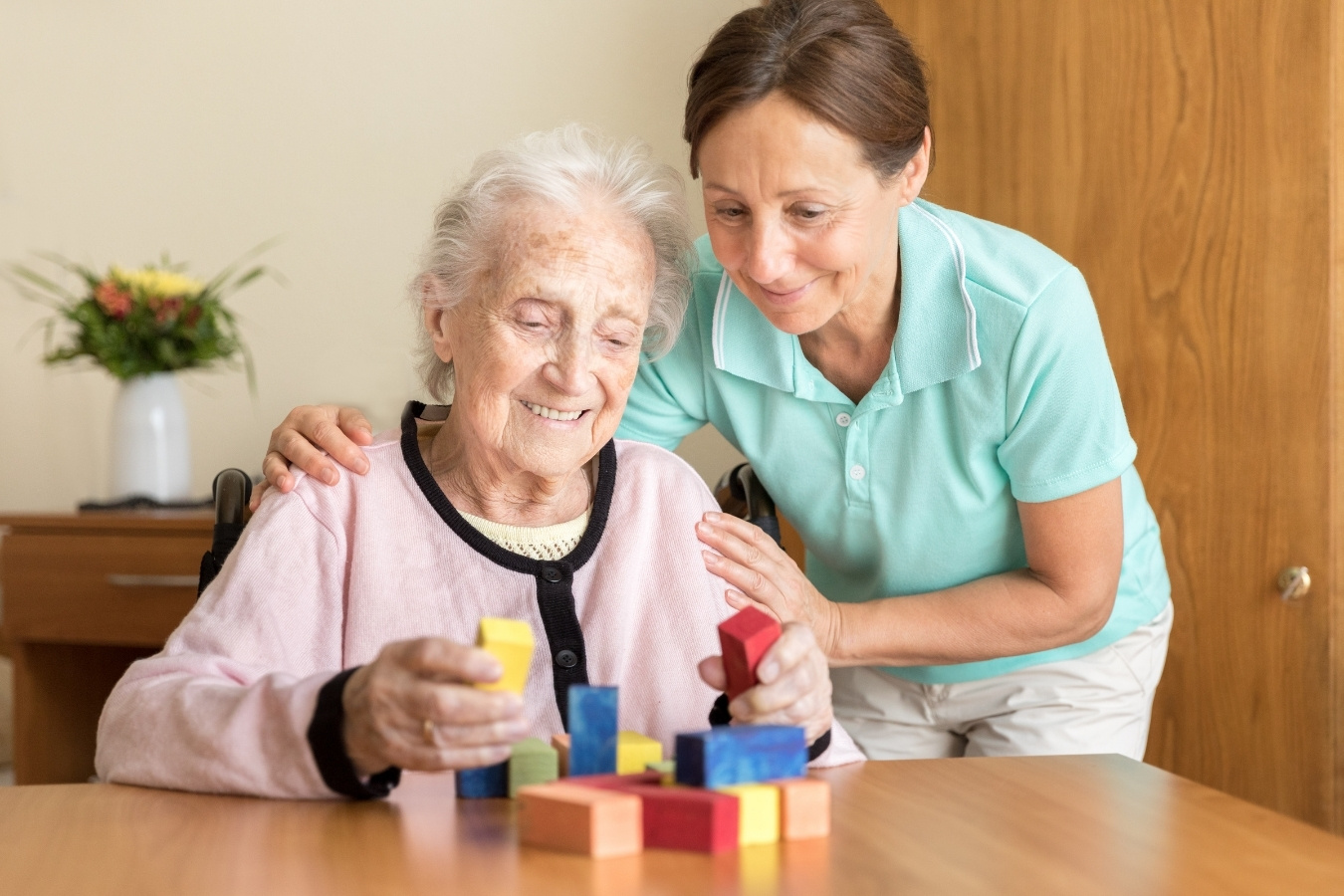
What all forms of dementia share is their progressive nature. Symptoms worsen over time, and while there is currently no cure, early diagnosis and the right support can make an enormous difference to a person's quality of life. This support with everyday living is often the difference between remaining independent in your home vs. residential support in a nursing home.
The Scale of the Challenge
The numbers are confronting, but they need to be heard. According to Dementia Australia, 446,500 Australians are currently living with dementia. That figure is projected to exceed one million by 2065 if no significant changes are made to prevention, treatment, or support.
Dementia is already Australia's leading cause of death, and it directly affects an estimated 1.7 million Australians who provide care or families supporting someone living with the condition.
| 446,500 Australians are currently living with dementia. Around 2 in 3 live at home in the community, not in residential care. |
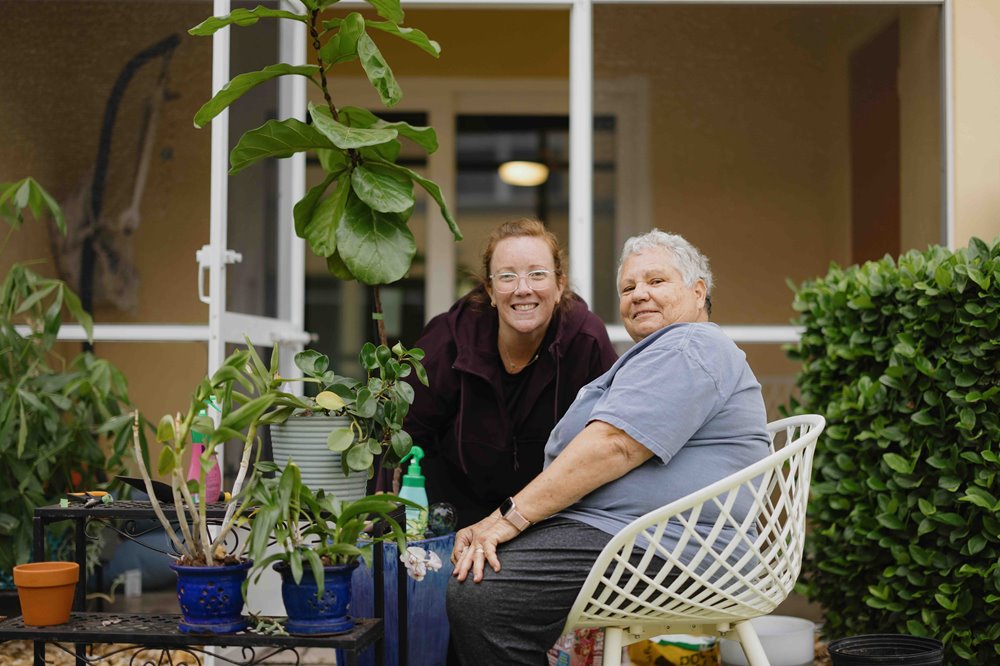
Around two in three people with dementia live at home, supported by family members, friends, and community-based services.
For many families, this is both a privilege and an enormous responsibility, one that deserves far more recognition and practical support than it typically receives. Our article on Supporting Families Living With Dementia at Home explores what that support can look like in practice.
| Just Better Care offices provide in-home support for people living with dementia across Australia. > Learn about specialised in-home dementia support > Explore dementia support resources for families |
Who Is Affected?
Most people associate dementia with older Australians, and it is true that age is the greatest single risk factor. But dementia can affect people much earlier than many realise. Approximately 29,000 Australians under the age of 65 are living with young onset dementia. Many of them are still working, raising children, and managing busy lives when symptoms begin. The average time from first symptoms to a formal diagnosis for young onset dementia is around five years, a gap that can be reduced significantly when awareness is higher.
Our guide to early onset (younger onset) dementia covers the signs and support options. |
There are also significant disparities across different communities. First Nations Australians experience dementia at rates three to five times higher than the broader population, a disparity that reflects deeper health inequalities that must be addressed with urgency and care.
Approximately 1,500 Australian children live with childhood dementia, a rare and devastating group of conditions that often goes unrecognised.
Why Stigma Still Gets in the Way?
Despite dementia being Australia's leading cause of death, it carries a stigma that leads many people to avoid the topic, and this can cause people to overlook the signs as "getting old" and delaying seeking help.
Families sometimes rationalise unusual behaviour for months or years before speaking to a doctor.
People living with early symptoms often fear what a diagnosis might mean for their independence, their relationships, and their identity. Recognising the shift from ordinary forgetfulness to something more is often the hardest part.
Our article on the early signs and symptoms of dementia can help families know what to watch for. |
Dementia Australia is clear: the sooner you know, the more you can do.
A diagnosis opens access to treatment options, support services, and planning conversations that can genuinely shape what comes next. Silence, on the other hand, costs time — and for people living with dementia and those who care for them, time is precious.
| If someone in your family has been diagnosed with dementia, early planning makes a real difference. In-home dementia support from Just Better Care can help your family navigate what comes next. Not sure if it's the right time? Our article on when to consider dementia care at home can help you decide. |
It's time to talk about dementia
Alzheimer's and Brain Awareness Mont h runs throughout September, culminating in Dementia Action Week from 21 to 27 September.
This year's theme, "It's time to talk about dementia", reflects what Dementia Australia describes as a fundamental truth: silence has a real cost.
Talking with your GP, your family, your employer, or your community is one of the most accessible and powerful things any of us can do.
Over the next four-part series, Just Better Care will explore the early warning signs of dementia, the lifestyle habits that support brain health, and the practical support available to families managing dementia at home, including guidance on understanding changes in mood and behaviour associated with dementia.
Specialised Dementia Support fromJust Better CareEvery Just Better Care team member receives specialised training through Dementia Training Australia, so the people supporting your family understand dementia and know how to help. Get Started with Just Better Care |
Specialised in-home dementia support for customers and families | Dementia support resources for families living with dementia

National Dementia Helpline: 1800 100 500
Free and confidential 24/7 advice from dementia-trained specialists.
Related Articles from Just Better Care
- How social connection supports healthy ageing
- How crocodiles are helping advance human health research
- Just Better Care is officially Great Places to Work certified
- Senior Australians make their feelings clear
- Finding the right job in the care industry
- Customer review: Kerri's experience with the Just Better Care app
- A helping hand for those who fall
- Auslan interpreters making live music accessible in Australia


-(1).jpg?width=962&height=630&ext=.jpg)