.png?width=1200&height=623&ext=.png&auto=format)
In this article:
National Advance Care Planning Week (16–22 March 2026) encourages Australians to reflect on what matters most and share their wishes for future healthcare. Advance care planning helps people communicate their values, preferences and treatment choices with family and health professionals, ensuring decisions reflect what is most important to them. With practical resources, conversation guides and state-based information available, participants and families can start meaningful discussions and plan ahead with confidence.From 16–22 March 2026, Advance Care Planning Australia is inviting all Australians to embrace the theme “Your story, your choice”. For older people receiving care at home, and for the families supporting them, this week is a valuable opportunity to start conversations about future health care wishes, values and decision-making.
At Just Better Care, we know these conversations can feel deeply personal. They may also feel they are difficult to broach with your loved ones. But taking the time to talk now can bring reassurance later, helping families feel more confident and helping health professionals better understand what matters most to the person at the centre of care.
What is Advance Care Planning?
Advance Care Planning is the process of thinking about, discussing and sometimes documenting your preferences for future health care.
Important decisions to think about when planning your future care
- What does quality of life mean to you?
- The treatments you would or would not want?
- Who do you trust to speak on your behalf?
- How would you like decisions to be made if you are ever unable to communicate them yourself?
Advance care planning may result in formal documents, such as an Advance Care Directive, depending on the rules in your state or territory. It can also include appointing a substitute decision-maker or having clear discussions with your loved ones and healthcare team.
Helpful resource
Download the participant brochure from Advance Care Planning Australia
Why is Advance Care Planning important?
Advance Care Planning helps ensure the person’s voice remains central to their care, even as their health changes over time. It supports choice, dignity and clarity. It can also reduce stress for families who might otherwise be left guessing what their loved one would have wanted.
For many families, the greatest value of advance care planning is not only the paperwork. It is the conversation. When wishes are discussed early, there is more opportunity to reflect, ask questions and make decisions without pressure.
The benefits of Advance Care Planning
- It helps health care align with the person’s values and preferences.
- It gives families greater confidence when decisions need to be made.
- It can reduce confusion and uncertainty during stressful times.
- It supports respectful, person-centred care.
Starting the discussion with family
A good first step is to discuss everyday values before discussing specific medical decisions. You might begin by asking what matters most for comfort, independence, quality of life, cultural or spiritual preferences, or who should be involved in important decisions.
Conversation starter
Use this family resource to help guide the discussion
Your Story, Your Choice interviews
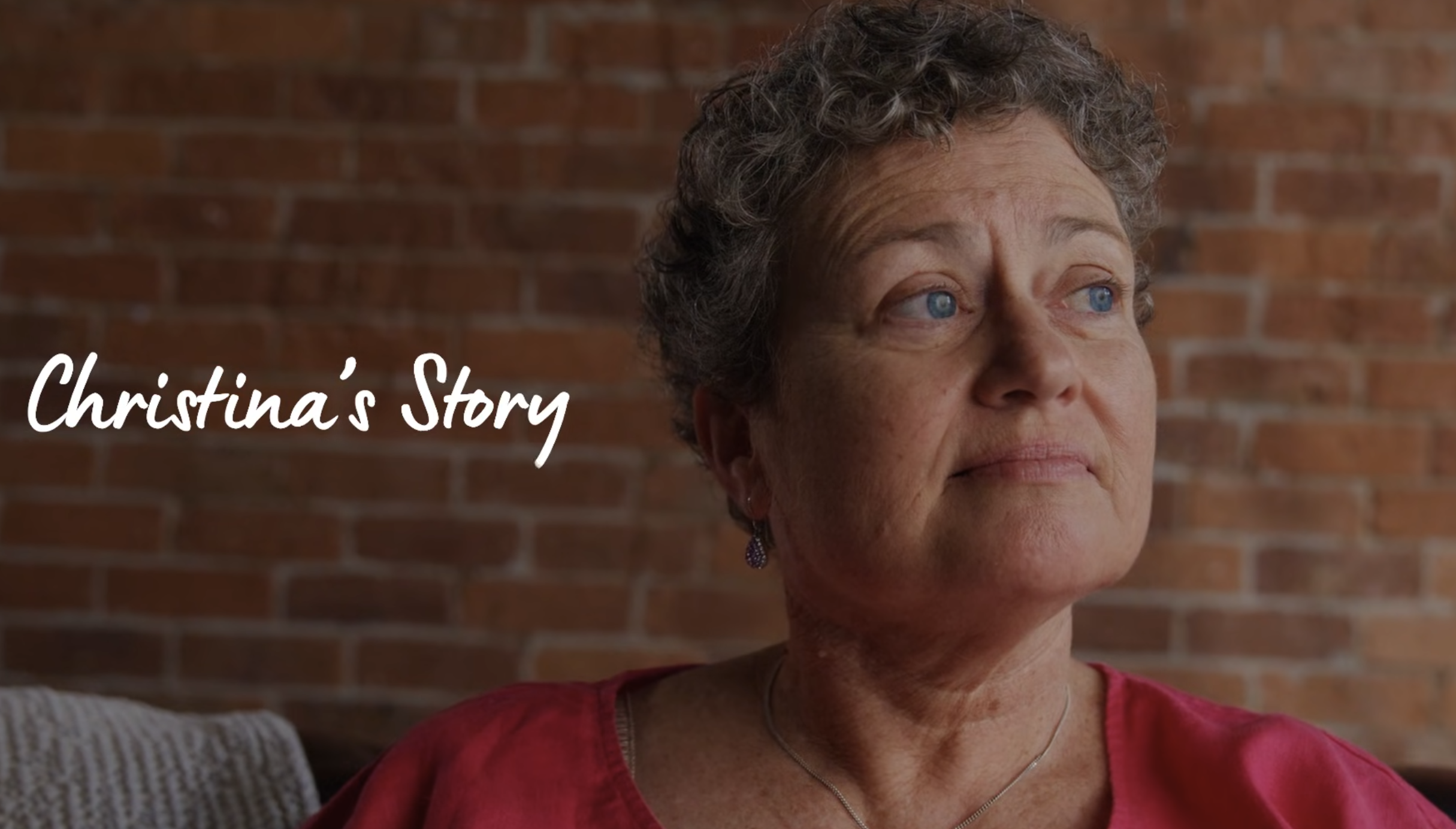
This year’s campaign highlights real stories through the Your Story, Your Choice interviews. These stories show that every person’s experience is different, and that Advance Care Planning is not about a one-size-fits-all decision. It is about making sure your own values, wishes, and priorities are heard.


State-based support and information
Advance Care Planning documents and legal requirements vary across Australia. The links below can help participants and families find information relevant to their state or territory.
- New South Wales – NSW Health advance care planning
- Victoria – Victorian Government advance care planning
- Queensland – Queensland Government advance care planning
- South Australia – SA Health advance care directives
- Western Australia – WA Health advance health directive
- Tasmania – Tasmanian Department of Health advance care planning
- Australian Capital Territory – ACT Health advance care planning
- Northern Territory – NT Health advance care planning
How can Just Better Care help?
Advance Care Planning is personal, and no one should feel they need to manage it alone.
While formal health and legal advice should come from qualified professionals, your local Just Better Care team can support you in accessing trusted information, discussing next steps, and having conversations with the people important to you.
We can also help you better understand how support at home is personalised and planned around goals, preferences and wellbeing, so you can take the next steps with confidence.
Related Articles and Support
News & Events
Our commitment to personalised home care and care planning
Read how individual goals, preferences and support needs shape care planning at Just Better Care.
News & Events
Support at Home Program Australia
Learn about the aged care changes and what Support at Home means for older Australians and families.
Support at Home
Understanding Support at Home
Explore the Support at Home hub for guidance on eligibility, assessments and in-home aged care support.
Support at Home
Support at Home Eligibility
Find out who may qualify and how to take the first step towards accessing support at home.
Get support close to home
Speak with your local Just Better Care office
If you would like help understanding Advance Care Planning, in-home aged care options, or the next steps for your family, our local Just Better Care teams are here to guide you.
Find your local office